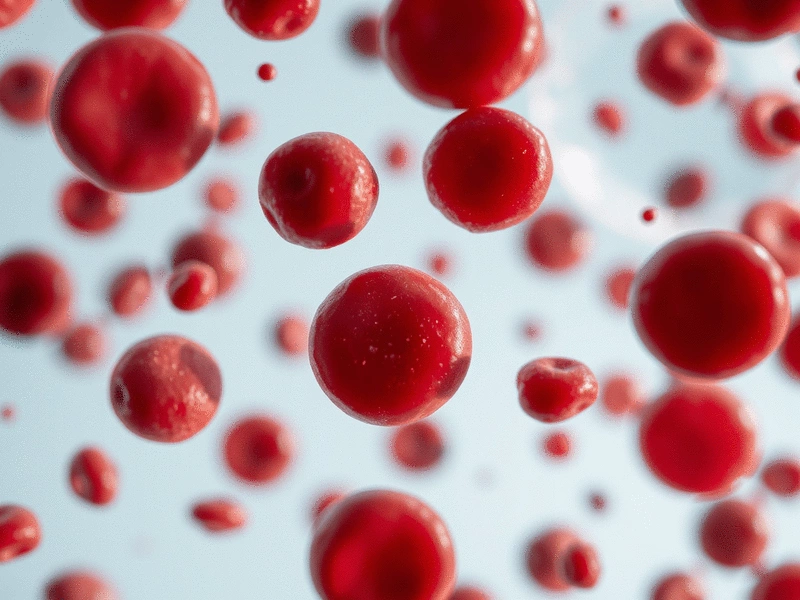
Leukemia's Impact on Blood Cells

How Leukemia Affects the Body: A Visual Breakdown of Blood Cell Function

In the intricate world of blood cell functions, understanding their roles not only illuminates our body's mechanics but also highlights the profound effects of diseases like leukemia. How familiar are you with your blood's unsung heroes? Journey with us as we uncover the essential duties of blood cells and their significance in maintaining health.

What You Will Learn

  • Red blood cells (RBCs) are crucial for oxygen transport, and a healthy RBC count is vital to avoid fatigue.
  • White blood cells (WBCs) act as the body's defense system, identifying and combating infections, with different types serving specific roles.
  • Platelets play an essential role in blood clotting, preventing excessive bleeding and aiding in wound healing.
  • Bone marrow is the factory for blood cells, where hematopoiesis occurs, producing new cells daily.
  • Leukemia disrupts blood cell production, leading to various physical and emotional symptoms for patients.
  • Innovative treatments like immunotherapy and targeted therapy are expanding leukemia care options, improving patient outcomes.
  • Understanding side effects and nutritional support is crucial for managing the impact of leukemia treatment on overall health.
  • Ongoing education and support networks empower patients and caregivers to navigate the complexities of leukemia effectively.

The Core Functions and Production of Blood Cells

This visual illustrates the distinct roles of the three main types of blood cells and the critical process of their formation within the bone marrow.

Red Blood Cells (RBCs)

Function: Oxygen Transport
Lifespan: ~120 days
Key Component: Hemoglobin

Delivery Trucks

White Blood Cells (WBCs)

Function: Immune Defense
Types: Neutrophils, Lymphocytes, Monocytes
Role: Combat infections

Defense Force

Platelets

Function: Blood Clotting
Process: Plug formation, stable clot
Importance: Wound healing

Unsung Heroes

Hematopoiesis (Bone Marrow)

Process: Blood Cell Formation
Stages: Stem → Progenitor → Mature Cells
Location: Bone Marrow

Cell Factory

Understanding Blood Cell Functions in a Healthy Body

In a healthy body, blood cells play vital roles in maintaining overall well-being. Understanding how these cells function can provide insight into what happens when diseases like leukemia occur. Let's explore the three main types of blood cells: red blood cells, white blood cells, and platelets. Each has a specific and crucial job that keeps our bodies running smoothly.

The Role of Red Blood Cells in Oxygen Transport

Red blood cells (RBCs) are like the delivery trucks of our circulatory system, transporting oxygen from our lungs to the rest of our body. These cells contain a protein called hemoglobin, which binds oxygen and helps carry it through the bloodstream. When you take a deep breath, you're ensuring those red blood cells are loaded up and ready to deliver essential oxygen to your organs and tissues!

  • RBCs are produced in the bone marrow from stem cells.
  • They have a lifespan of about 120 days before being recycled.
  • Healthy RBC levels are crucial for preventing fatigue and maintaining energy.

Maintaining a normal RBC count is essential; low levels can lead to anemia, causing symptoms such as tiredness and weakness. As we delve deeper into blood health, keep in mind how interconnected these functions are!

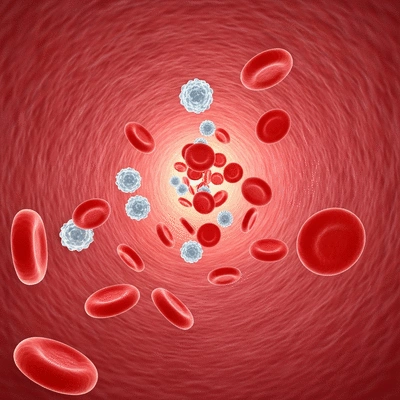
Microscopic view of healthy red blood cells, white blood cells, and platelets in a blood vessel

How White Blood Cells Protect Against Infections

White blood cells (WBCs) serve as our body's defense force. They are constantly on the lookout for invaders like bacteria and viruses. When an infection strikes, these cells spring into action, identifying and destroying the threats. There are several types of WBCs, each with specific roles:

  • Neutrophils: These are typically the first responders to infections.
  • Lymphocytes: Essential for targeted immune responses.
  • Monocytes: Help clean up debris and dead cells.

With a robust WBC count, your body can effectively combat infections. When discussing leukemia, it’s important to recognize how this disease can disrupt the production and function of these vital cells, leading to increased susceptibility to illness.

The Importance of Platelets in Blood Clotting

Platelets are the unsung heroes of blood clotting! When you get a cut, platelets rush to the scene, forming clots to stop the bleeding. These tiny cell fragments are essential for wound healing and preventing excessive blood loss. Here’s how they work:

  • Platelets gather at the injury site, sticking to the blood vessel wall.
  • They release chemicals that attract more platelets, forming a plug.
  • This process turns into a stable clot, allowing the wound to heal.

A deficiency in platelets can lead to bruising and prolonged bleeding, which is often seen in leukemia patients. Understanding these roles helps to appreciate the complexity of our blood system and the impact diseases can have on it.

The Role of Bone Marrow in Blood Cell Production

Bone marrow acts as a factory for blood cells, producing billions daily to keep our blood healthy and functional. This spongy tissue within our bones is critical for hematopoiesis, the process of blood cell formation.

Understanding Hematopoiesis: The Process of Blood Cell Formation

Hematopoiesis is an intricate process that occurs primarily in the bone marrow. It begins with hematopoietic stem cells, which have the potential to develop into any type of blood cell. Here's how it breaks down:

  • Stem Cells: The starting point for all blood cells.
  • Progenitor Cells: These cells begin to differentiate into specific blood cells.
  • Mature Blood Cells: Eventually, they develop into red blood cells, white blood cells, or platelets.

Understanding hematopoiesis provides key insights into how conditions like leukemia disrupt normal blood cell production, leading to the various symptoms and complications we will discuss later.

Pro Tip

Did you know? Maintaining a balanced diet rich in iron and vitamins can significantly support the production of healthy red blood cells? Foods like spinach, lentils, and fortified cereals can help boost your RBC levels, contributing to overall energy and well-being. Consider incorporating these into your meals to enhance your blood health!

Summarizing the Impact of Leukemia on the Body

As we reflect on the complex relationship between leukemia and normal blood cell function, it becomes clear how profoundly this disease can affect the body. Leukemia disrupts not only blood cell production but also the overall harmony that our bodies rely on to function effectively. Understanding these impacts is crucial for both patients and their loved ones navigating this challenging journey.

Here are some key takeaways to consider:

  • Blood Cell Dysfunction: The disruption in blood cell production can lead to various symptoms that manifest physically and emotionally.
  • Patient Experiences: Patients often share feelings of fatigue, increased infections, and unusual bleeding, reflecting the underlying blood cell deficiencies.
  • Importance of Education: Being informed about leukemia helps patients and families advocate for their care and understand their treatment options better.

These points highlight how leukemia transforms not just blood health but the entire patient experience, reinforcing the need for compassion and support throughout this journey. As we move forward, let’s explore the treatment options available for those facing leukemia.

Medical professional explaining treatment options to a patient in a modern clinic setting

Exploring Treatment Options for Leukemia

A Comprehensive Overview of Chemotherapy and Radiation Therapy

Treatment for leukemia often begins with chemotherapy and radiation therapy, both of which are designed to target cancerous cells. Chemotherapy uses powerful drugs to kill these cells or stop their growth, while radiation therapy employs high-energy rays to target cancerous areas in the body. Understanding these treatments is essential for patients and caregivers alike as they navigate this process.

  • Chemotherapy: Administered through various methods, including oral pills and injections.
  • Radiation Therapy: Can be localized to specific areas or used systemically, depending on the leukemia type.
  • Side Effects: Common side effects may include nausea, hair loss, and fatigue, which can be challenging to manage.

By understanding the basics of these treatments, patients can better prepare for the journey ahead, actively participating in their care decisions.

Innovative Approaches: Immunotherapy and Targeted Therapy in Leukemia

In recent years, the landscape of leukemia treatment has expanded significantly to include innovative approaches like immunotherapy and targeted therapy. These treatments leverage the body’s own immune system or target specific genetic mutations within the cancer cells. For example, ongoing research, such as that highlighted by the National Heart, Lung, and Blood Institute (NHLBI), continues to refine our understanding of patient risk and treatment efficacy, particularly following bone marrow transplants. Such advancements can lead to more personalized and effective treatment strategies.

  • Immunotherapy: Helps the immune system recognize and attack leukemia cells more effectively.
  • Targeted Therapy: Focuses on specific genetic changes in leukemia cells, aiming to inhibit their growth.
  • Personalized Treatment Plans: Treatment can be tailored based on the individual’s genetic profile, which is increasingly vital for effective care.

These advancements offer hope for many patients, opening up new avenues for treatment that can lead to better outcomes and improved quality of life. The National Cancer Institute (NCI) provides extensive information on ongoing research and clinical trials, further illustrating the dynamic nature of leukemia treatment development.

Understanding Side Effects Management and Nutritional Support

Managing side effects is a vital aspect of leukemia treatment. It’s important for patients to know they don’t have to face these challenges alone! Comprehensive care includes nutritional support to help maintain energy and strength during treatment.

  • Dietary Considerations: Eating a balanced diet rich in vitamins and minerals can bolster the immune system.
  • Hydration: Staying well-hydrated helps alleviate some treatment side effects.
  • Support Networks: Accessing support groups can provide emotional aid and practical advice from others who understand this journey.

Incorporating these elements into a treatment plan can significantly enhance the overall well-being of leukemia patients.

Frequently Asked Questions about Blood Cells and Leukemia

Here are some common questions about blood cells, their functions, and how leukemia impacts them:

What are the main functions of red blood cells?
Red blood cells are primarily responsible for transporting oxygen from the lungs to all parts of the body using hemoglobin.
How do white blood cells protect the body?
White blood cells act as the body's immune defense, identifying and destroying foreign invaders like bacteria and viruses. Different types of WBCs have specialized roles in this process.
Why are platelets important?
Platelets are crucial for blood clotting. They rush to injury sites to form plugs and create stable clots, preventing excessive bleeding and aiding in wound healing.
Where are blood cells produced?
Blood cells are produced in the bone marrow through a process called hematopoiesis, starting from hematopoietic stem cells.
How does leukemia affect blood cell production?
Leukemia disrupts the normal production of blood cells in the bone marrow, leading to an overproduction of abnormal white blood cells and a deficiency in healthy red blood cells and platelets. This causes various symptoms such as fatigue, increased infections, and bleeding issues.
What are some modern treatments for leukemia?
Modern treatments for leukemia include chemotherapy, radiation therapy, immunotherapy (which boosts the body's immune system to fight cancer), and targeted therapy (which focuses on specific genetic mutations in cancer cells). Advances in these areas, like those discussed by Blood Cancer United, continue to improve patient outcomes.

Call to Action: Staying Informed and Engaged with Leukemia Education

Resources for Patients and Caregivers to Understand Leukemia Better

At What Is Leukemia, we believe that knowledge is empowerment! We offer a range of resources designed to help patients and caregivers navigate their understanding of leukemia.

  • Online Articles: Our articles break down complex topics into easily digestible content.
  • Webinars and Workshops: We host sessions that allow for interactive learning and discussion.
  • Support Forums: Connect with others who are experiencing similar journeys to share insights and experiences.

Being engaged and informed can make a significant difference in how you or your loved ones experience their leukemia journey.

Encouraging Conversations: Sharing Experiences and Support Networks

It’s crucial to foster conversations around leukemia. Sharing experiences can provide comfort and understanding, creating a supportive community. I encourage you to reach out to others; it’s a powerful way to connect and learn.

  • Patient Stories: Listening to the journeys of others can inspire hope and resilience.
  • Community Support Groups: Look for local support groups where you can meet others face-to-face.
  • Social Media Groups: Online platforms can facilitate ongoing discussions and sharing of resources.

Creating space for these conversations helps to normalize the experiences of those affected by leukemia, fostering a sense of unity and understanding.

Understanding Long-term Effects and Follow-up Care for Survivors

Finally, it’s essential to recognize the long-term effects of leukemia treatment. Survivorship brings its own set of challenges, but understanding them can empower patients as they transition into this new phase of life.

  • Regular Check-ups: Ongoing follow-up care is crucial for monitoring recovery and detecting any late effects of treatment.
  • Mental Health Support: Addressing emotional and psychological needs is an important part of recovery.
  • Lifestyle Adjustments: Adapting daily habits and routines can promote overall health and well-being post-treatment.

With the right support and information, survivors of leukemia can lead fulfilling lives, equipped with the knowledge and resources to navigate their new normal. Together, we can foster an environment of learning and hope for all those impacted by leukemia.

Recap of Key Points

Here is a quick recap of the important points discussed in the article:

  • Red Blood Cells (RBCs): Essential for oxygen transport; low levels can lead to anemia.
  • White Blood Cells (WBCs): Act as the body's defense against infections; leukemia can disrupt their function.
  • Platelets: Crucial for blood clotting; deficiencies can cause bruising and prolonged bleeding.
  • Bone Marrow: The factory for blood cell production, vital for maintaining healthy blood levels.
  • Understanding Hematopoiesis: The process of blood cell formation is critical to recognize how leukemia affects blood health.
  • Treatment Options: Includes chemotherapy, radiation, immunotherapy, and targeted therapy; understanding side effects is essential for management.
  • Support and Education: Resources and community support are vital for patients and caregivers navigating leukemia.
About !author

Dr. Elena Merritt

Dr. Elena Merritt is a dedicated hematologist passionate about empowering patients with knowledge about leukemia. With over a decade of experience, she specializes in leukemia's complexities, making medical information accessible and understandable. Dr. Merritt founded 'What Is Leukemia' to bridge the gap between complex medical jargon and patient understanding, fostering informed awareness and hope for those navigating this journey.

Popular Posts

Understanding Swollen Lymph Nodes Swollen Lymph Nodes in Leukemia: Locations, Causes, and When to Seek Help When it comes to navigating health concerns like leukemia, knowledge is your greatest ally. Understa
Leukemia Treatment: Trends and Innovations The Future of Leukemia Treatment: Emerging Trends and Technologies As we step into a new era of leukemia treatment, imagine the potential of groundbreaking therapies r
Leukemia's Impact on Blood Cells How Leukemia Affects the Body: A Visual Breakdown of Blood Cell Function In the intricate world of blood cell functions, understanding their roles not only illuminates our b
Alternative Therapies for Leukemia Support Managing Leukemia with Alternative and Complementary Therapies What if the key to managing leukemia lies not just in conventional treatments, but in a holistic app