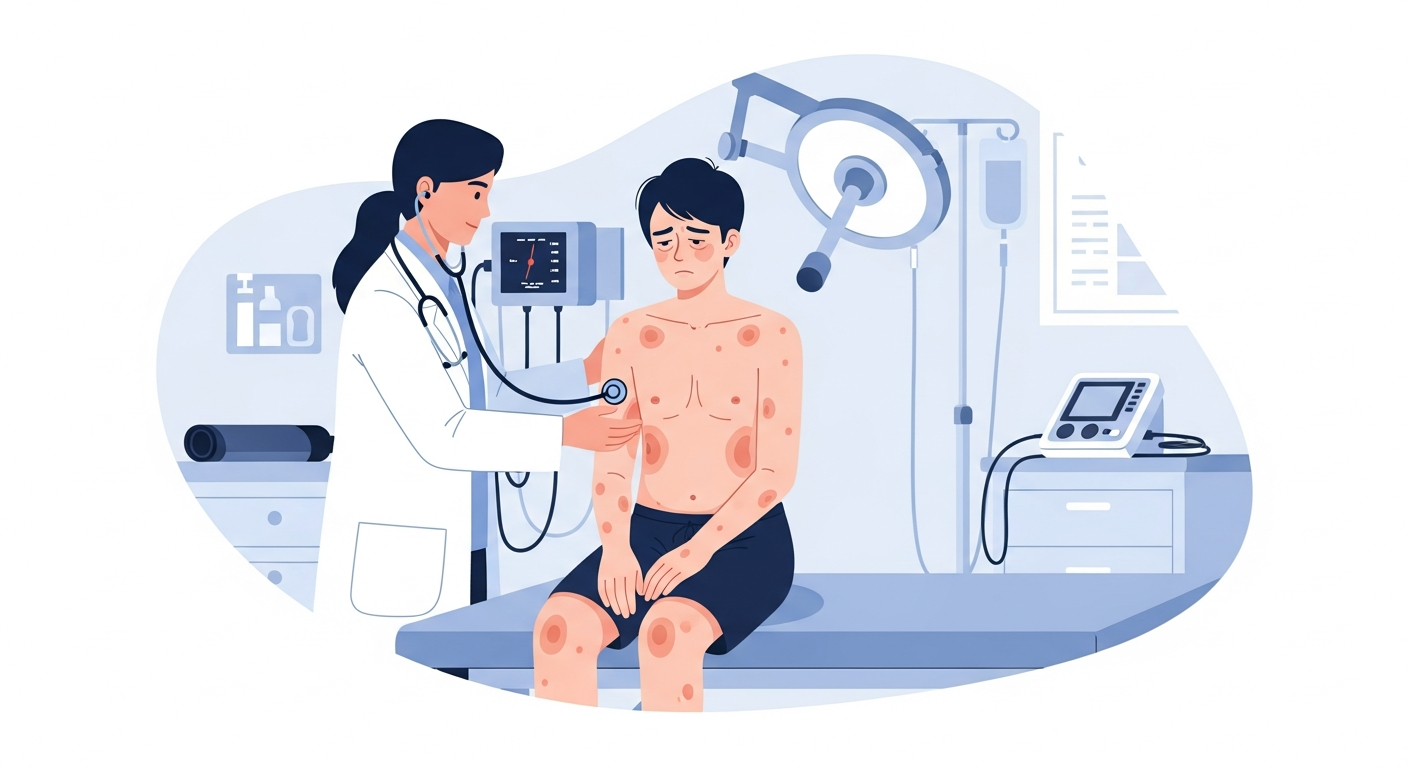
🩺 Leukemia Symptoms — Complete Patient Guide
A comprehensive resource covering every leukemia symptom — from subtle early warning signs to life-threatening emergencies — with medically accurate explanations of why each symptom occurs and what to do next.
Understanding Leukemia Symptoms
Leukemia is a cancer of blood-forming tissues — primarily the bone marrow — that disrupts the production of healthy red blood cells, white blood cells, and platelets. Unlike solid tumors that begin as a localized mass, leukemia is systemic from the outset: its symptoms reflect generalized disruption of blood cell populations rather than a single anatomical site of disease. This makes early recognition both more challenging and more critical than for many other cancers.
The symptoms of leukemia arise from three related mechanisms. First, the bone marrow becomes crowded with abnormal leukemia cells that cannot perform the functions of normal blood cells. Second, this crowding suppresses the production of functional red cells, white cells, and platelets. Third, leukemia cells can infiltrate organs — including the spleen, liver, lymph nodes, and central nervous system — causing their own distinct symptom profile. Understanding these mechanisms helps patients recognize why certain symptoms occur and why they demand medical attention rather than watchful waiting.
A critical feature of leukemia symptoms is their non-specificity: every individual symptom on this list — fatigue, fever, bruising, weight loss — is far more commonly caused by benign conditions than by leukemia. What distinguishes leukemia is the combination of symptoms, their persistence despite expected recovery, and their progressive worsening over time. Any person experiencing two or more of these symptoms without a clear explanation should request a complete blood count (CBC) from their physician.
The Three Core Symptom Mechanisms
Every leukemia symptom traces back to one of three fundamental disruptions in blood cell biology:
| Mechanism | Affected Cell Type | Resulting Symptoms |
|---|---|---|
| Anemia (low red cells) | Red blood cells / hemoglobin | Fatigue, pallor, shortness of breath, dizziness, rapid heart rate |
| Neutropenia (low immune cells) | White blood cells / neutrophils | Recurrent infections, fever, slow-healing wounds, fungal infections |
| Thrombocytopenia (low platelets) | Platelets / clotting function | Easy bruising, petechiae, nosebleeds, bleeding gums, prolonged bleeding |
| Organ infiltration | Spleen, liver, lymph nodes, CNS | Abdominal fullness, lymph node swelling, bone pain, neurological symptoms |
Acute vs. Chronic Leukemia: How Symptoms Differ
The type of leukemia profoundly affects how and when symptoms appear. Understanding this distinction helps patients and clinicians know what urgency level is appropriate.
| Feature | Acute (ALL, AML) | Chronic (CLL, CML) |
|---|---|---|
| Symptom onset | Days to weeks — rapid escalation | Months to years — gradual or absent |
| Discovery pattern | Usually symptomatic presentation | Often incidental on routine blood work |
| Dominant early symptom | Severe fatigue, fever, bleeding | Mild fatigue, lymph node swelling |
| Urgency of evaluation | Emergency — days matter | Urgent but not emergent |
| Bone marrow failure | Rapid; all cell lines affected | Slower; partial function preserved |
Symptom Urgency Guide: What Needs Emergency Care
Not all leukemia symptoms require the same response. This guide helps patients triage their symptoms appropriately:
| Urgency | Symptoms | Action |
|---|---|---|
| Emergency (911) | Fever + known low WBC, uncontrolled bleeding, confusion, severe breathlessness at rest, sudden severe headache | Call 911 or go to ER immediately |
| Same-day urgent | Persistent fever, new petechiae or purpura, coughing blood, blood in stool or urine, stridor (breathing noise) | Contact oncology team immediately; go to urgent care or ER if unavailable |
| Scheduled evaluation | Ongoing fatigue, unexplained weight loss, lymph node swelling, bone pain, persistent night sweats | See primary care physician; request CBC with differential |
All Leukemia Symptom Guides — Complete Library
Our 14-article symptom library covers every major leukemia symptom with medically accurate, in-depth explanations of underlying biology, clinical presentation, and when to seek evaluation:

Recognizing Early Leukemia Symptoms
Discover what early leukemia symptoms look like, why they mimic common illnesses, and when it is critical to see a doctor.
Read more →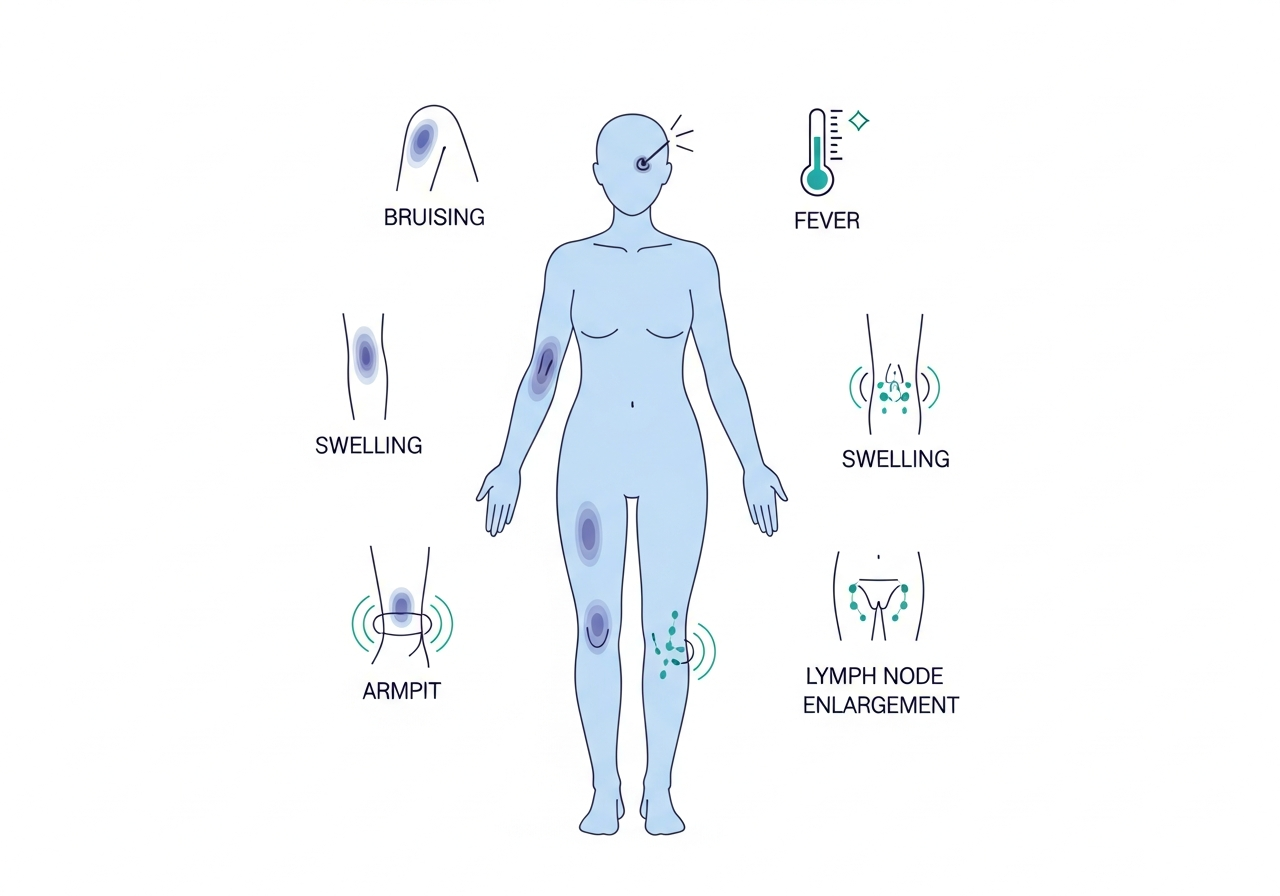
Leukemia Warning Signs Explained
A guide to definitive warning signs of leukemia, differentiating red flags from everyday ailments.
Read more →
Fatigue as a Sign of Leukemia
Why leukemia causes extreme fatigue, how it relates to anemia, and how to distinguish it from normal tiredness.
Read more →
Night Sweats and Leukemia
What clinical night sweats look like, why the immune response triggers them, and when to seek evaluation.
Read more →
Unexplained Weight Loss and Leukemia
How leukemia causes weight loss, what counts as unexplained, and when to seek evaluation.
Read more →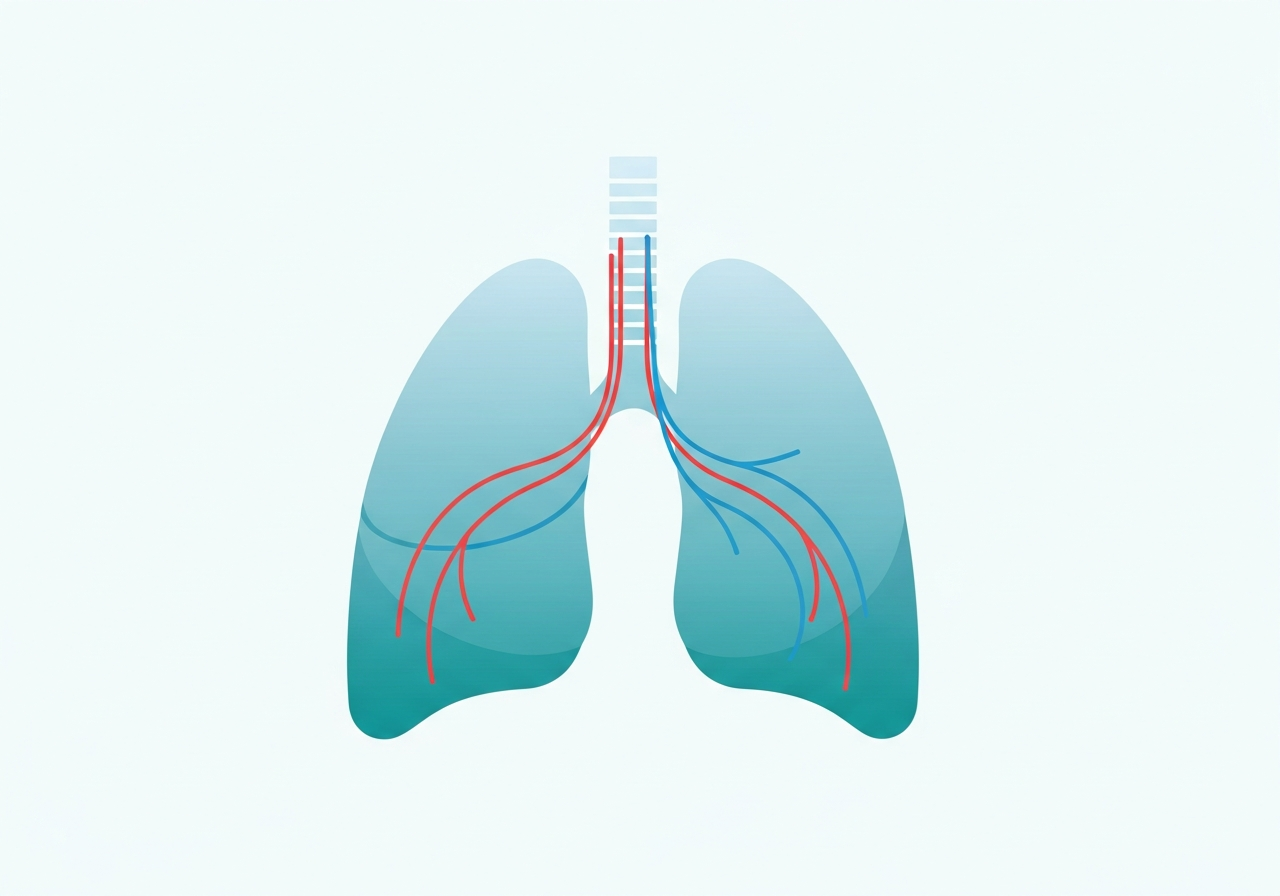
Shortness of Breath in Leukemia
Anemia-driven breathlessness, organ involvement, and when breathing difficulty becomes a medical emergency.
Read more →
Infections, Leukemia, and Immune Health
Why leukemia compromises immunity, the most common infections in patients, and critical prevention strategies.
Read more →
Leukemia and Anemia: Key Connections
How leukemia leads to anemia, the resulting symptoms, and how clinical teams manage leukemia-related anemia.
Read more →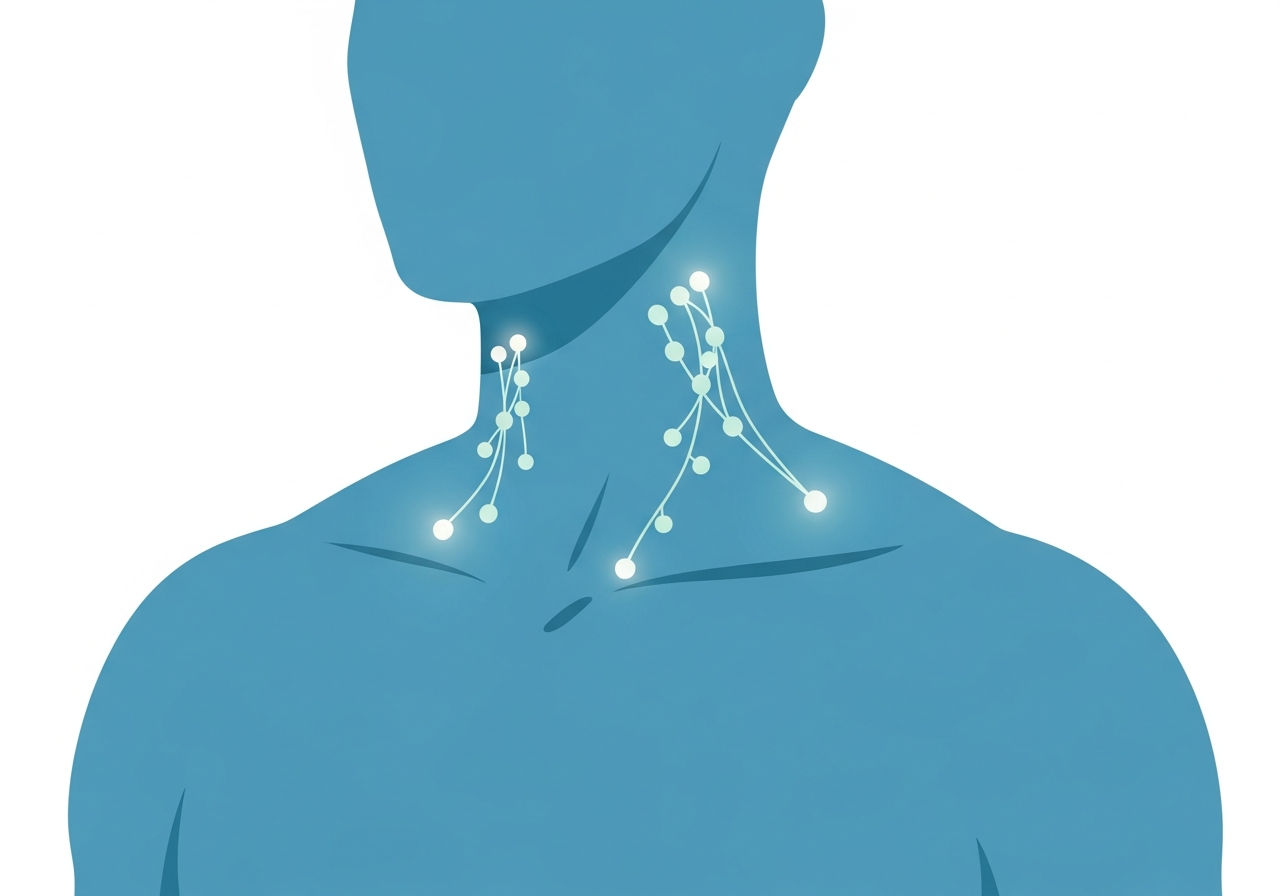
Swollen Lymph Nodes and Leukemia
Lymph node anatomy, why leukemia causes swelling, and how to distinguish cancer-related swelling from infection.
Read more →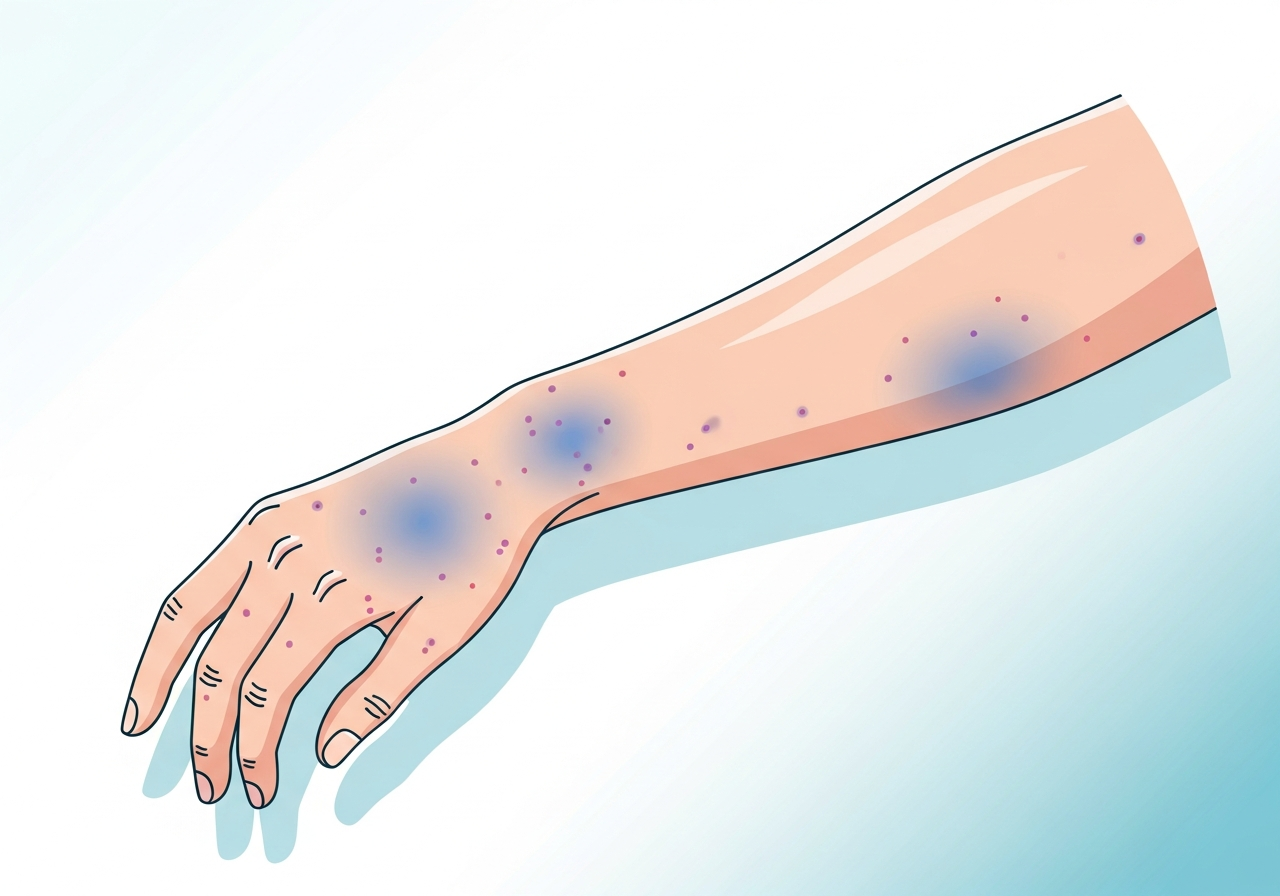
Leukemia Skin Changes
Bruising, petechiae, pallor, and leukemia cutis — what these changes look like and when they signal blood cancer.
Read more →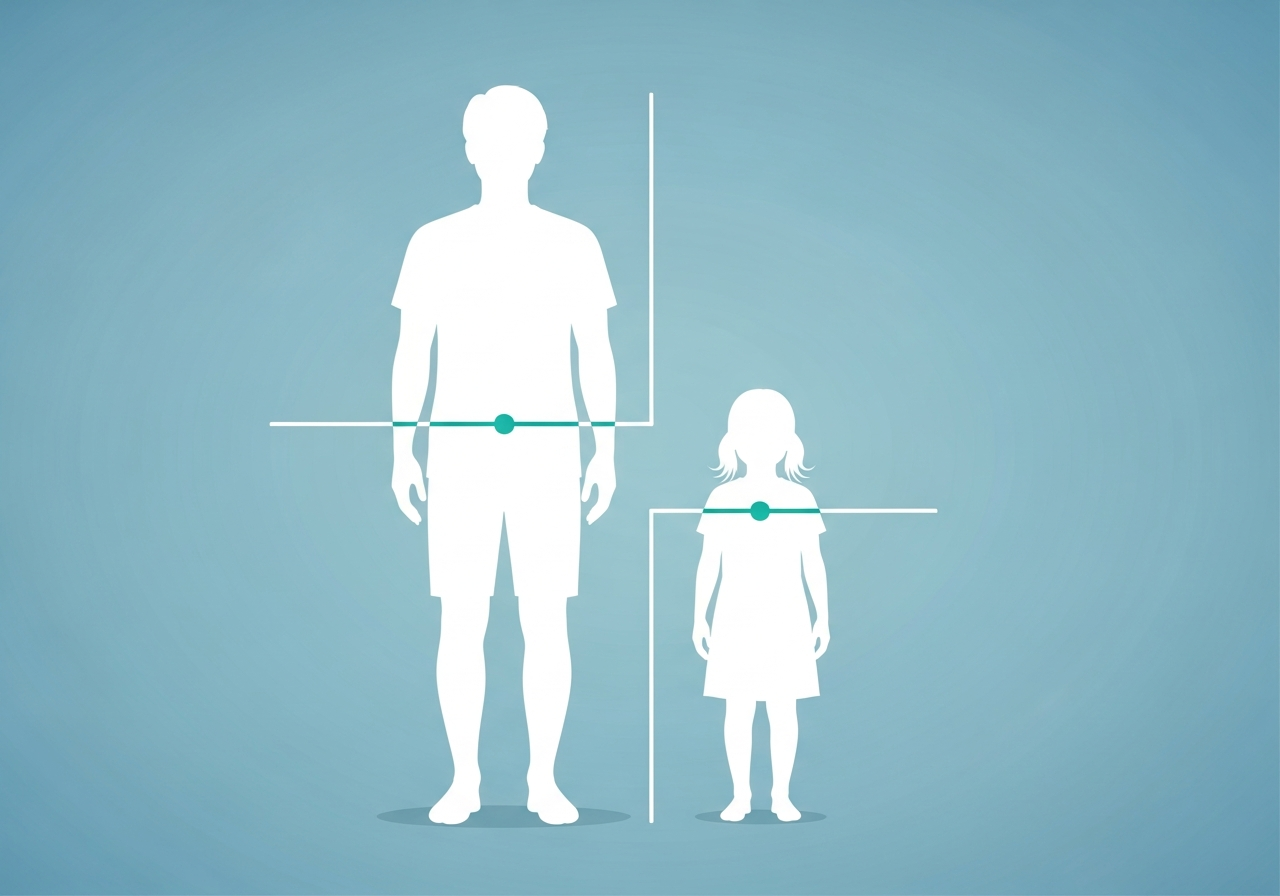
Leukemia Symptoms in Kids vs. Adults
Differences in presentation between children and adults and what behavioral signs parents should watch for.
Read more →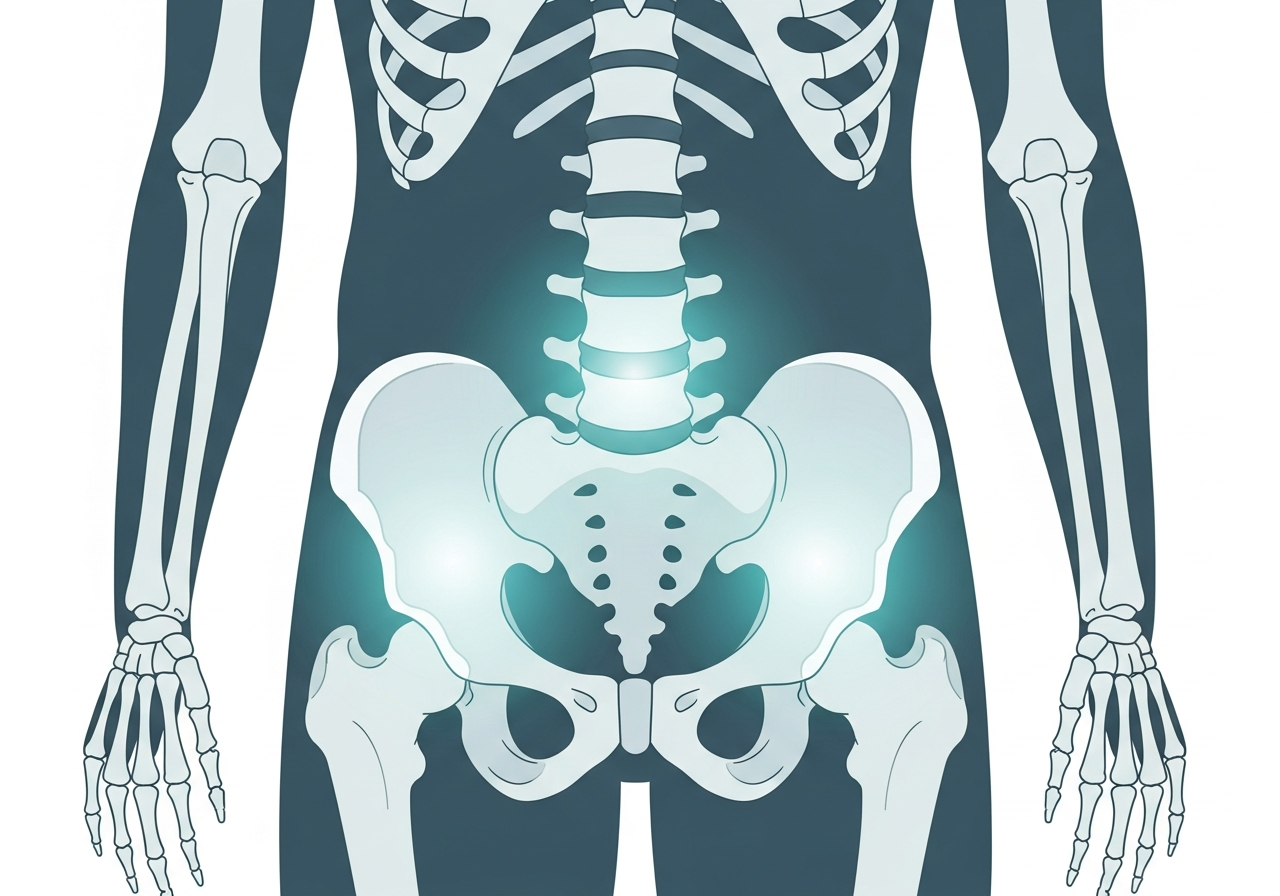
Bone Pain, Bone Health, and Leukemia
Why leukemia causes bone and joint pain, what bone marrow involvement means, and how it differs from arthritis.
Read more →
Blood Clotting Problems and Leukemia
Platelet dysfunction, easy bruising, bleeding gums, nosebleeds, and the severe risk of DIC in Acute Myeloid Leukemia.
Read more →
Abdominal Discomfort and Leukemia
Splenomegaly, hepatomegaly, abdominal pain and fullness, and when to seek urgent evaluation.
Read more →Featured Guides
Recognizing Early Leukemia Symptoms
The definitive guide to the earliest signs of leukemia — what they feel like, why they're mistaken for common illness, and the exact combination of symptoms that demands medical evaluation.
Read full guide →Leukemia Warning Signs Explained
A systematic breakdown of every major leukemia warning sign, organized by urgency — from subtle fatigue patterns to bleeding emergencies that need immediate hospital care.
Read full guide →From Symptom to Diagnosis: The Clinical Pathway
Understanding what happens after symptoms appear helps patients navigate the process with confidence. The typical diagnostic journey moves through these stages:
- Primary care visit: Physician takes history and examines for lymph node swelling, spleen enlargement, pallor, and petechiae
- Complete Blood Count (CBC): The first test — reveals abnormal cell counts that raise suspicion. See our guide to blood tests in leukemia diagnosis
- Peripheral blood smear: Blood viewed under microscope — may reveal leukemia blasts in acute leukemia
- Hematologist-oncologist referral: Specialist evaluation for bone marrow testing
- Bone marrow biopsy: Definitive diagnosis, subtype identification, molecular profiling. See our complete bone marrow biopsy guide
- Molecular and cytogenetic testing: Identifies targetable mutations and risk category for result interpretation
- Treatment planning: Multidisciplinary team selects from available treatment options
Connecting Symptoms to Leukemia Types
Different leukemia types have characteristic symptom profiles. Understanding which symptoms point toward which type helps clinicians direct their initial workup. For example, CLL most commonly causes painless lymph node swelling and recurrent respiratory infections, while AML typically produces rapid-onset anemia, bleeding, and life-threatening infections over days. CML often causes left-sided abdominal fullness from an enlarged spleen, while ALL in children classically presents with bone pain and extreme pallor. The complete symptom-to-type mapping is covered in our types of leukemia overview.
Leukemia Symptoms — Frequently Asked Questions
The earliest signs of leukemia include persistent unexplained fatigue, recurrent infections that are slow to resolve, easy bruising or bleeding, unexplained weight loss of 5% or more, and drenching night sweats. Because each symptom individually mimics common illnesses, it is the combination and persistence of symptoms that prompts medical evaluation.
Seek emergency care immediately for: fever above 101°F in a known leukemia patient (possible febrile neutropenia), any uncontrolled bleeding that does not stop with sustained pressure, sudden severe headache or confusion (possible intracranial bleeding), severe shortness of breath at rest, or rapidly spreading purple patches on the skin.
No. Acute leukemias (ALL and AML) produce symptoms that escalate over days to weeks and are rarely discovered incidentally. Chronic leukemias (CLL and CML) may produce no symptoms for months or years and are often discovered during routine blood work. Even among these categories, individual leukemia subtypes have distinct symptom profiles.
A Complete Blood Count (CBC) with differential is the standard first investigation. It measures white blood cells, red blood cells, hemoglobin, and platelets. Abnormal CBC results — very high or very low white cells, low hemoglobin, or low platelets — prompt a peripheral blood smear and referral for a bone marrow biopsy to confirm the diagnosis.
Yes. Children with ALL frequently present with severe bone or joint pain that causes limping or refusal to walk — a symptom uncommon in adult leukemia. Children may also show extreme pallor, behavioral irritability, and petechiae (tiny red skin spots) earlier in the disease course than most adults. Fever and recurrent infections are common in both age groups.
No — fatigue is the most common medical complaint and has hundreds of causes, the vast majority of which are not cancer. Leukemia-related fatigue is distinguished by its severity (affecting daily activities), its failure to improve with adequate rest, and its accompaniment by other symptoms such as pallor, shortness of breath, frequent infections, or easy bruising.
Explore Related Topics
This content is for informational and educational purposes only. It is not a substitute for professional medical advice, diagnosis, or treatment. Always consult your physician or a qualified healthcare provider with any questions about a medical condition. Read our full disclaimer.