
Medically Reviewed Information

What Is Leukemia? Symptoms, Types, Treatment, and Diagnosis Explained

An independent educational resource providing clear, accurate information about leukemia for patients, caregivers, and families — covering everything from early warning signs to advanced treatment options.

Last updated:

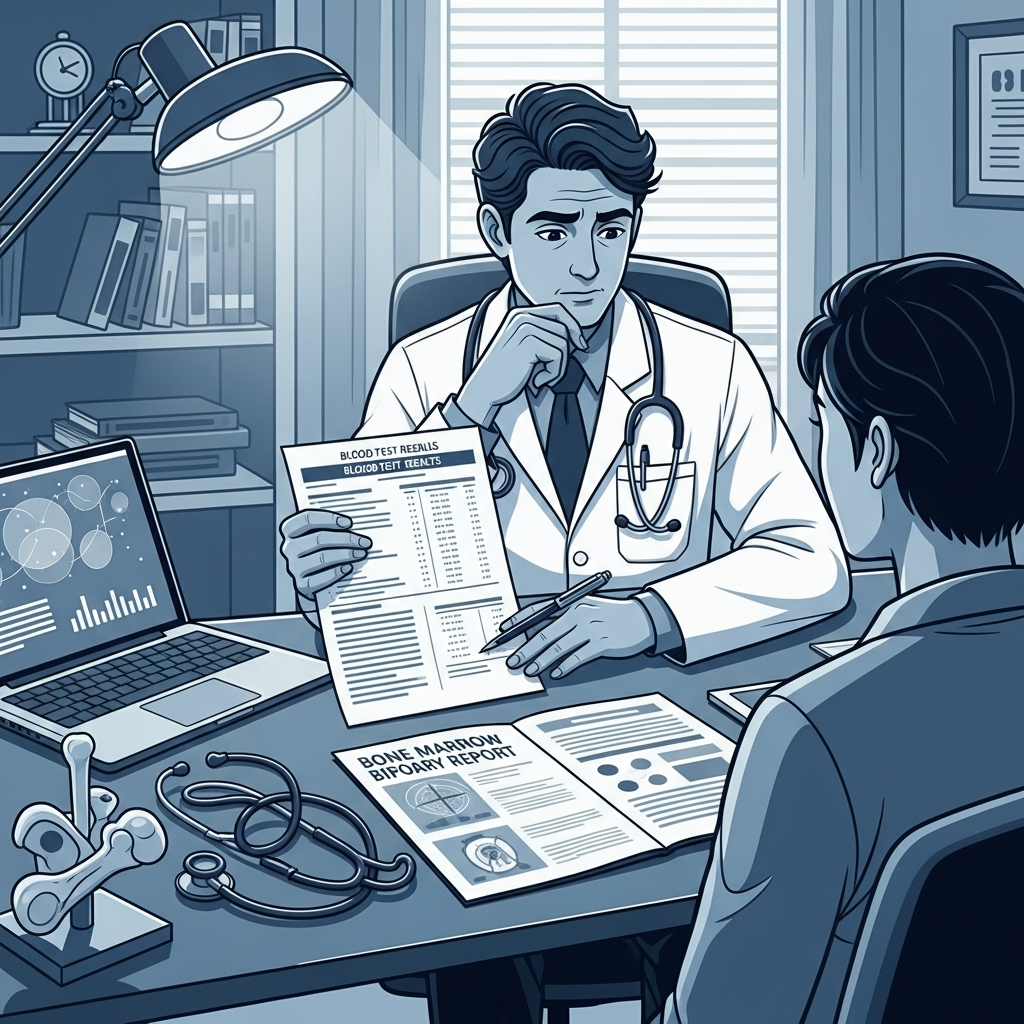
Doctor explaining leukemia diagnosis to patient — medical illustration
Written by the Editorial Team
WhatIsLeukemia.net | Medical Writers & Researchers
Medically Reviewed
Content reviewed against NCI, ACS & ASH clinical guidelines
Last Updated:
Reviewed for accuracy & current treatment guidelines

What Is Leukemia?

Leukemia is a type of cancer that begins in the blood-forming tissue of the bone marrow — the soft, spongy material found inside most large bones. Unlike solid tumors that form a localized mass, leukemia spreads through the bloodstream. In a healthy individual, the bone marrow produces a steady supply of red blood cells (which carry oxygen), white blood cells (which fight infection), and platelets (which help blood clot). In leukemia, this finely regulated process breaks down: abnormal blood cells — most often white blood cells — multiply without control and fail to perform their intended functions.

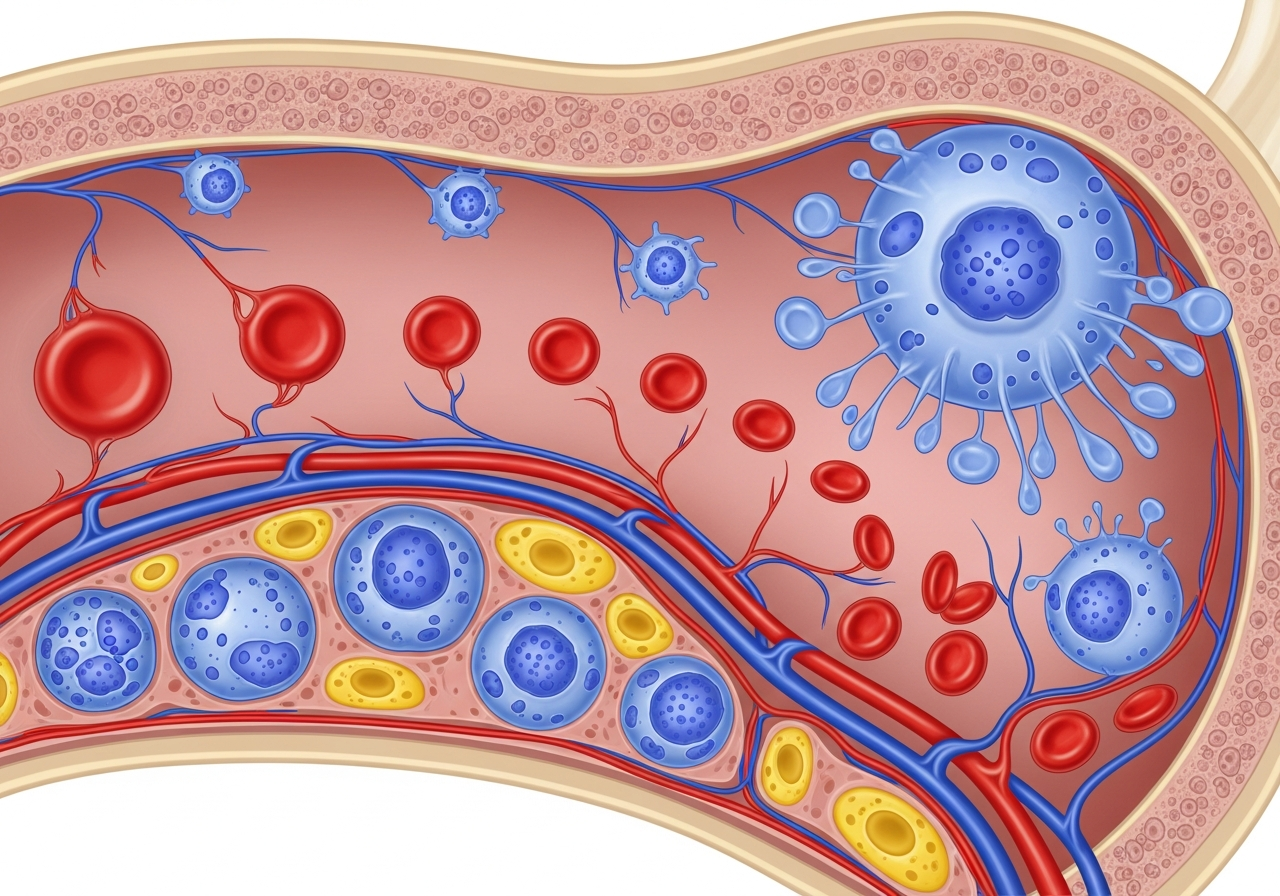
These dysfunctional cells crowd the bone marrow and spill into the bloodstream in large numbers, progressively displacing the normal cell populations. The consequences of this displacement explain nearly every symptom the disease produces: fatigue and pallor arise from reduced red blood cell production (anemia); easy bruising and abnormal bleeding occur because platelets become depleted (thrombocytopenia); and recurrent, severe infections result because functional immune cells are overwhelmed by the leukemia cells that replace them (neutropenia).

According to the American Cancer Society, approximately 60,000 new cases of leukemia are diagnosed in the United States each year, and the disease accounts for roughly 24,000 deaths annually. It is the most common cancer in children under 15, though more than half of all leukemia cases occur in adults over the age of 65.

How Leukemia Develops in the Bone Marrow

Every blood cell begins as an immature cell called a stem cell (hematopoietic stem cell) in the bone marrow. Under normal conditions, these stem cells receive precise molecular signals that direct them to mature into one of the three main cell lineages: red blood cells, white blood cells, or platelets. This maturation process — called hematopoiesis — is tightly controlled by growth factors and genetic switches.

Leukemia begins when one or more of these regulatory genes become mutated. The mutation may be acquired over a person's lifetime due to aging, exposure to radiation or certain chemicals (such as benzene), prior chemotherapy, or in some cases, an inherited genetic predisposition. The mutated cell gains the ability to multiply rapidly without the normal checkpoints that would ordinarily trigger cell death (apoptosis) or maturation. Over time, the clone of abnormal cells expands, ultimately overwhelming the healthy marrow.

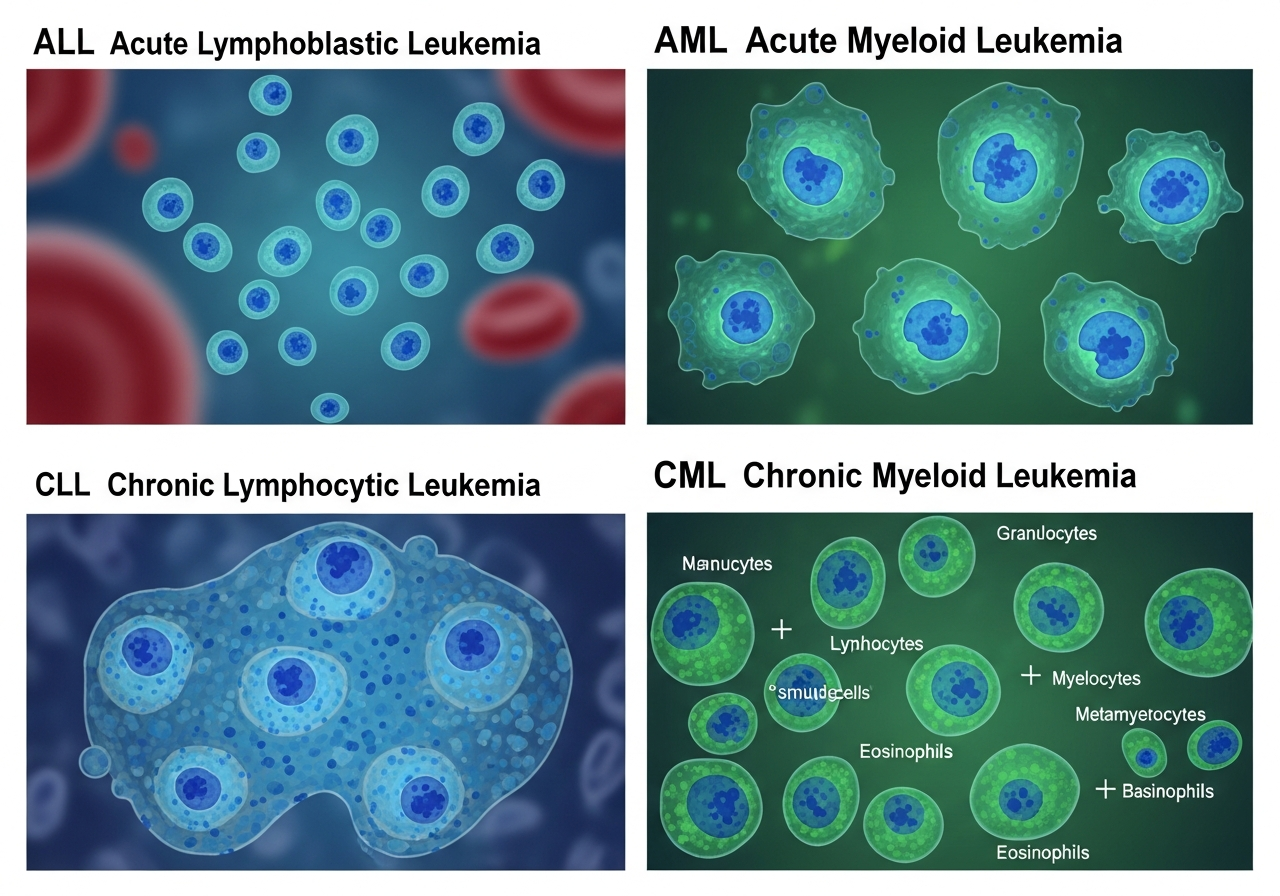
The specific mutation determines the type of leukemia. A mutation in a lymphoid precursor cell produces a lymphocytic leukemia (ALL or CLL). A mutation in a myeloid precursor produces a myeloid leukemia (AML or CML). The mutation also determines the behavior of the resulting cancer — whether it grows explosively (acute) or gradually (chronic).

Acute vs. Chronic Leukemia: Key Differences

One of the most clinically important distinctions in leukemia is between acute and chronic forms. This distinction determines the urgency of treatment, the types of therapy used, and the overall prognosis.

Acute leukemias — Acute Myeloid Leukemia (AML) and Acute Lymphoblastic Leukemia (ALL) — involve the rapid, uncontrolled proliferation of very immature blood cells called blasts. These cells cannot perform any immune or blood-forming function, and they accumulate with extraordinary speed. Without prompt treatment, acute leukemia can become life-threatening within weeks or months. Treatment is typically intensive and begins immediately after diagnosis.

Chronic leukemias — Chronic Myeloid Leukemia (CML) and Chronic Lymphocytic Leukemia (CLL) — involve more mature, differentiated cells that grow more slowly. Many patients with chronic leukemia are diagnosed incidentally on a routine blood test and have no symptoms for months or years. The chronic forms allow more time for treatment planning, and some (especially early-stage CLL) may be managed with watchful waiting before any therapy is initiated. Learn more in our comprehensive guide to leukemia types.

Common Leukemia Symptoms: What to Watch For

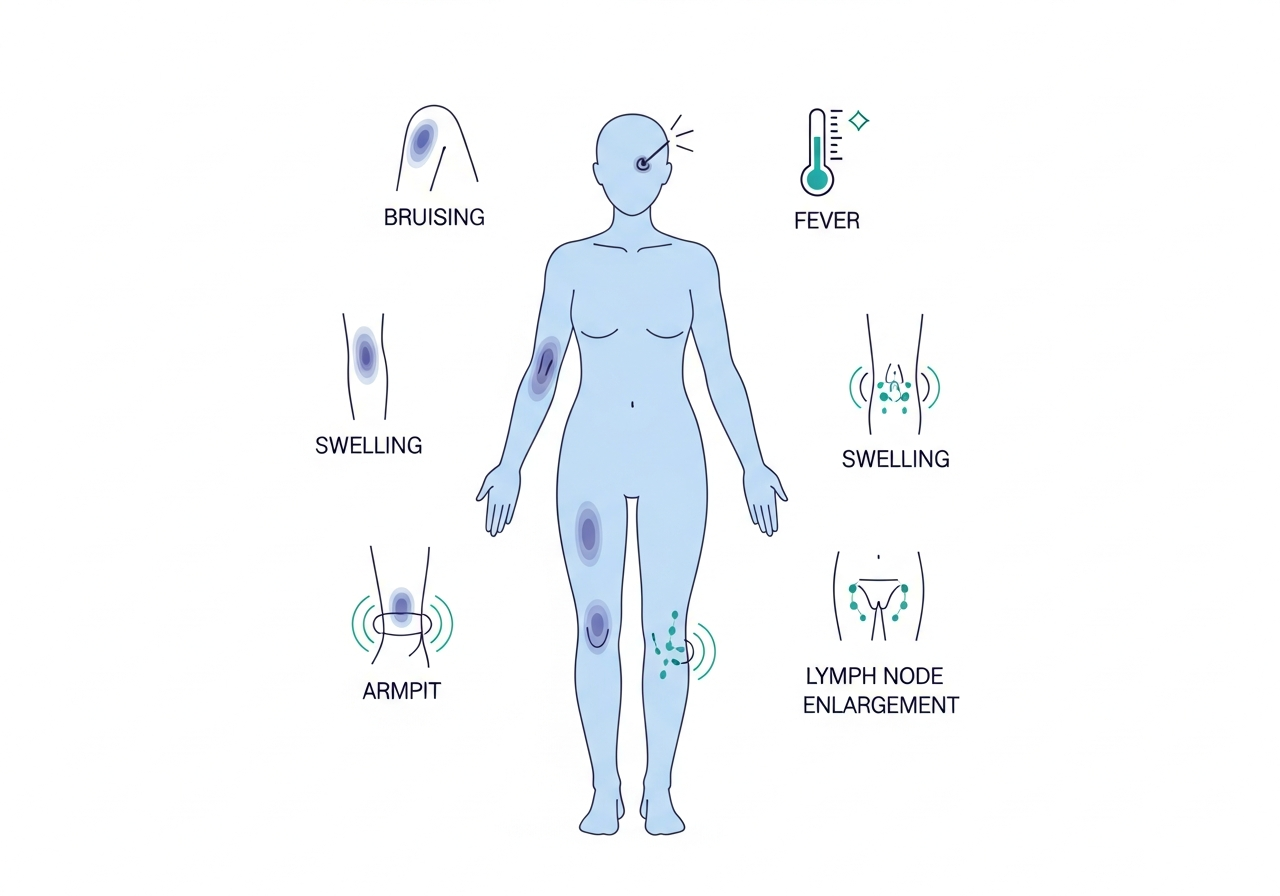
Because leukemia disrupts all three major blood cell lines, its symptoms are wide-ranging — and frustratingly easy to attribute to other, more common conditions. The most frequently reported early symptoms include:

  • Persistent, unexplained fatigue — often profound and unrelieved by rest, driven by anemia
  • Recurrent or severe infections — due to deficient functional white blood cells
  • Easy bruising or unexplained bleeding — including bleeding gums, nosebleeds, and petechiae (tiny red skin dots) caused by low platelets
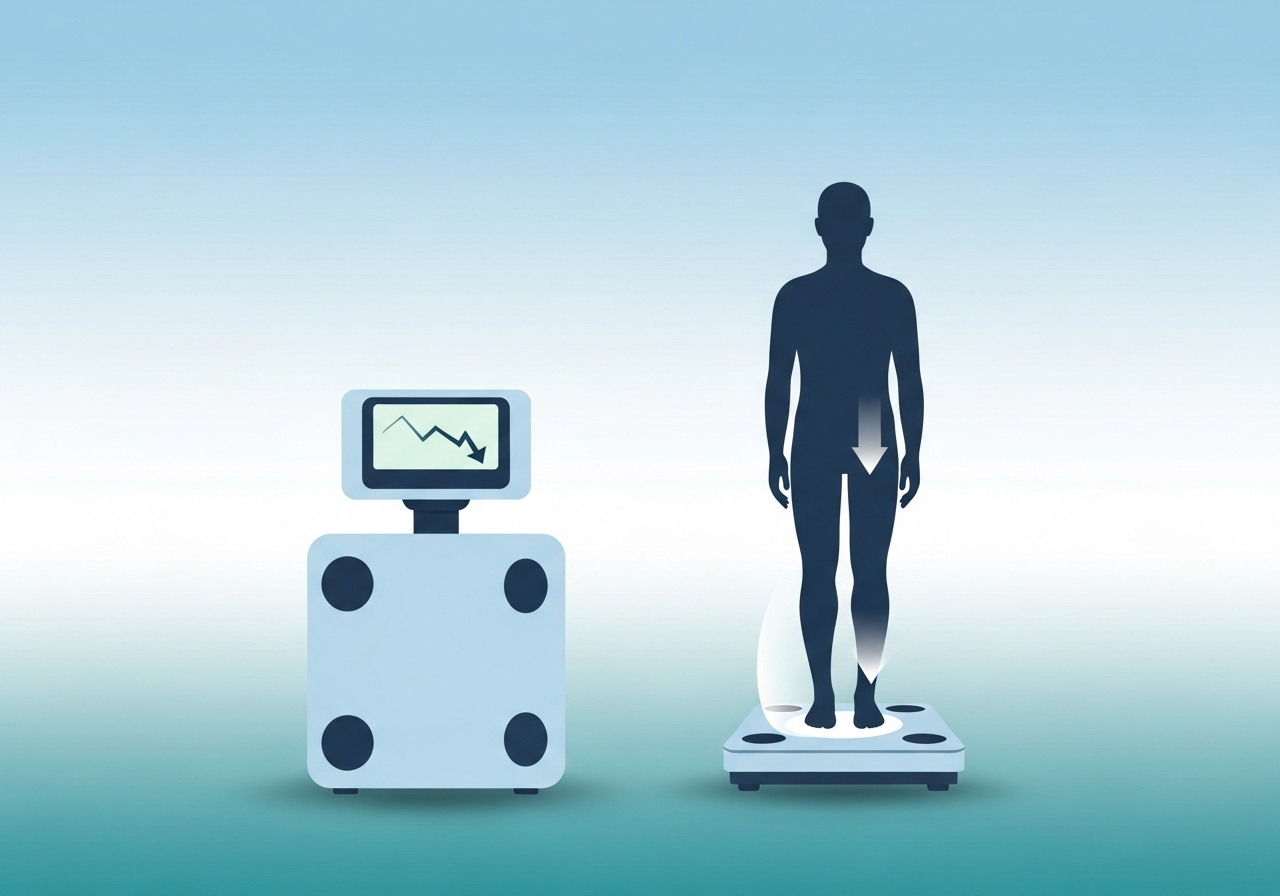
  • Unexplained weight loss — losing more than 5% of body weight over six months without dietary changes
  • Night sweats — drenching sweats that are not explained by the ambient temperature or menopause
  • Swollen lymph nodes — particularly painless swelling in the neck, armpits, or groin
  • Bone or joint pain — caused by leukemia cells packing the marrow cavity and increasing pressure
  • Abdominal fullness or discomfort — from an enlarged spleen pressing on the stomach

No single symptom is specific to leukemia — each has many potential causes. However, when multiple symptoms persist together without an obvious explanation, a medical evaluation is essential. Read our full guide: Recognizing Early Leukemia Symptoms.

How Leukemia Is Diagnosed

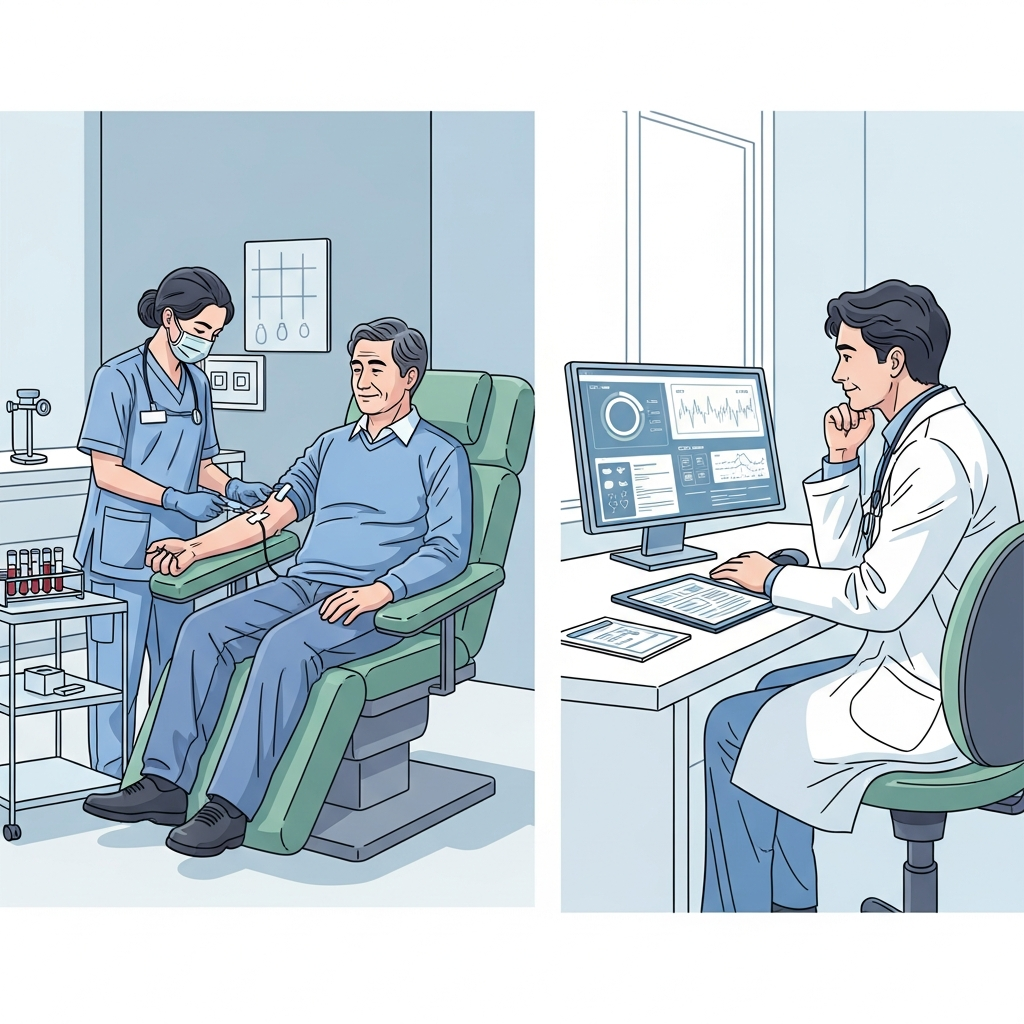
The diagnostic journey for leukemia typically begins with a Complete Blood Count (CBC) with differential — a standard blood test that measures the quantity and characteristics of all three cell lines. Leukemia often causes dramatic abnormalities: an extremely high or abnormally low white blood cell count, anemia, and low platelet counts. However, some leukemias present with only subtle changes, making clinical suspicion and follow-up critical.

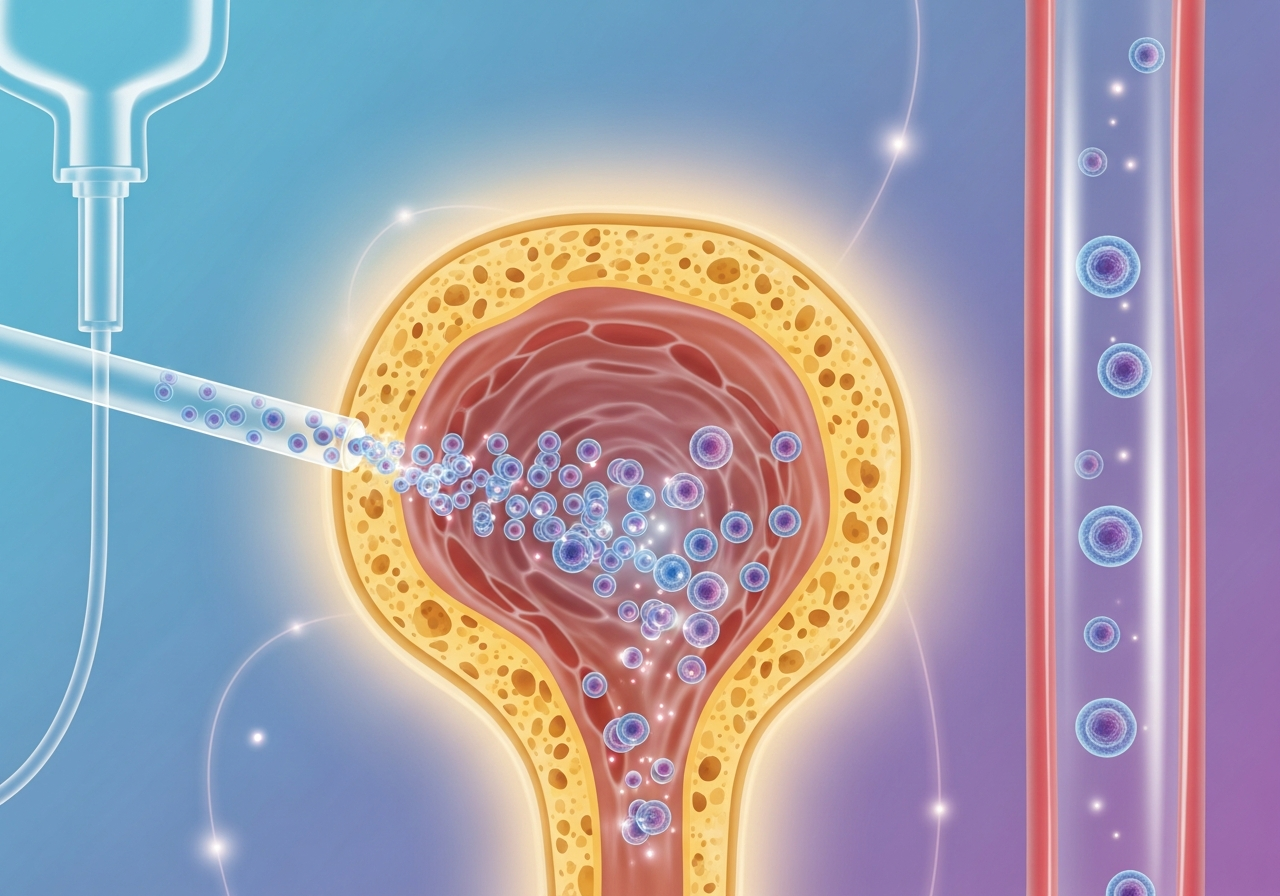
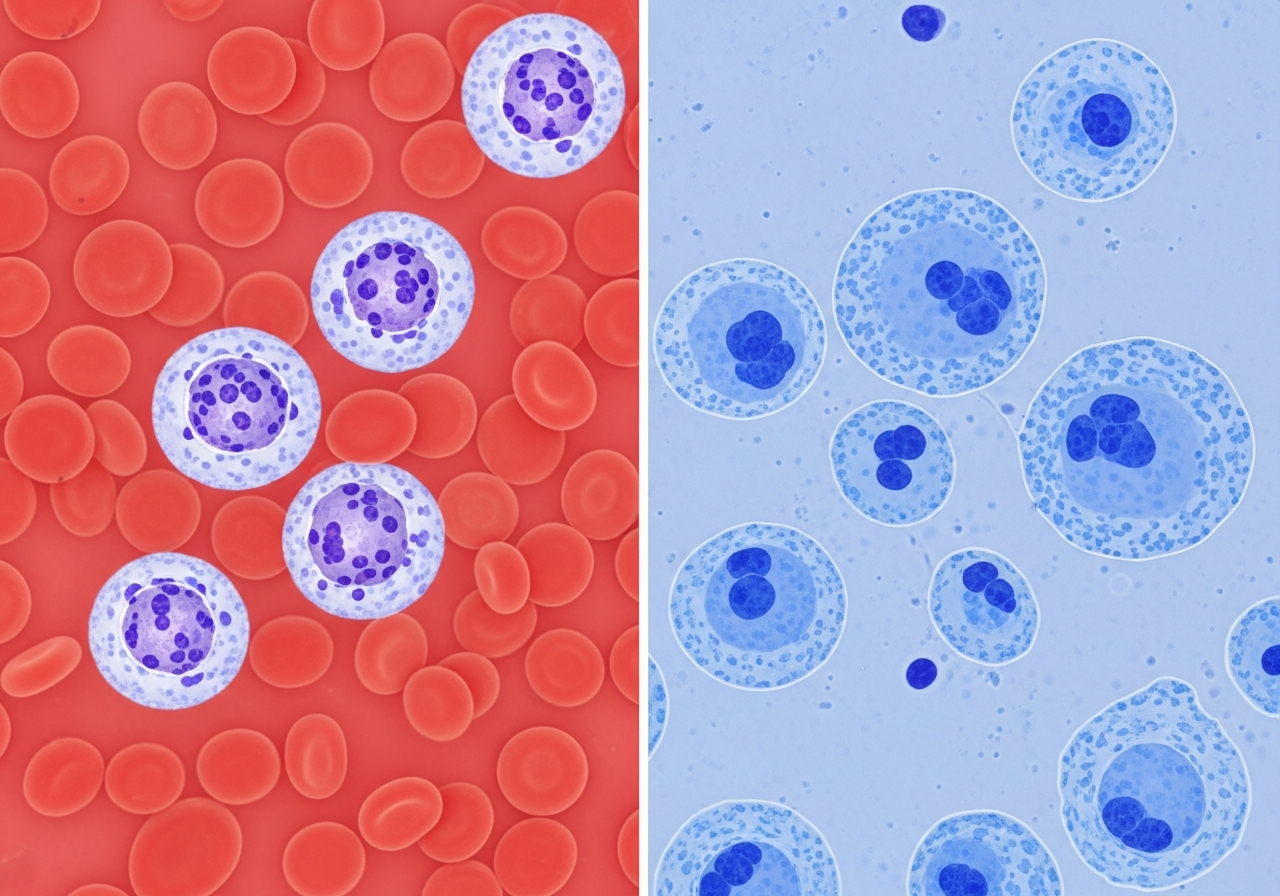
When a CBC raises concern, the next step is typically a peripheral blood smear — the physical examination of blood cells under a microscope, which can reveal immature blast cells or other morphological abnormalities. The definitive diagnosis requires a bone marrow aspiration and biopsy, which extracts a small sample of marrow tissue from the hip bone for comprehensive analysis. This analysis includes cell morphology, flow cytometry (identifying molecular markers on cell surfaces), cytogenetics (chromosomal analysis), and molecular/genetic testing that can identify specific mutations like the Philadelphia chromosome in CML or FLT3 mutations in AML. These molecular details are not just diagnostic — they directly determine which treatments are most effective. Visit our full Diagnosis section for detailed coverage of each test.

Leukemia Treatment: A Rapidly Evolving Field

Treatment for leukemia is one of oncology's great success stories. Over the past four decades, advances in chemotherapy protocols, targeted molecular therapies, immunotherapy, and stem cell transplantation have transformed many leukemia diagnoses from near-certain death sentences into manageable or curable conditions.

The choice of treatment is highly individualized and depends on the leukemia type, molecular subtype, the patient's age, overall health, and whether specific targetable mutations are present. The major treatment categories include:

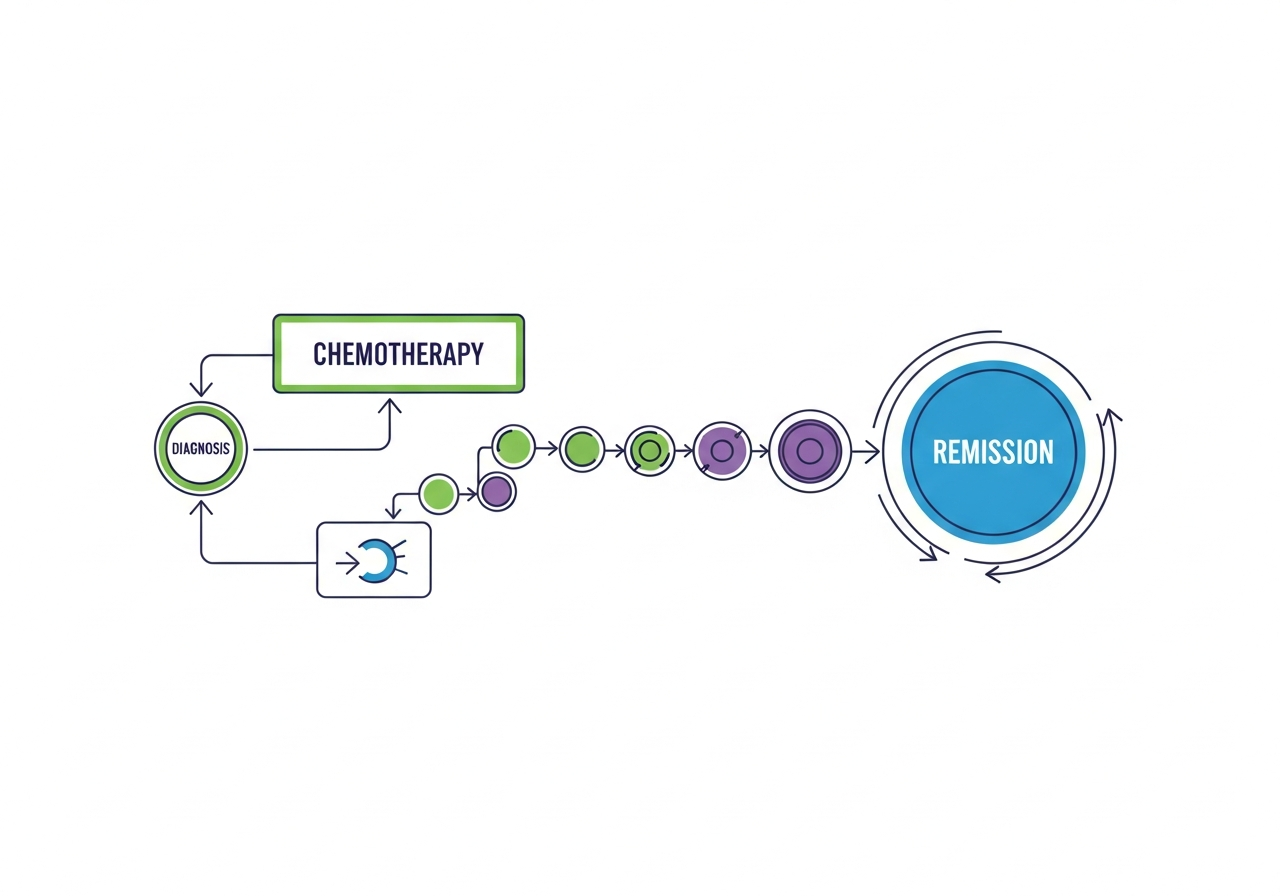
  • Chemotherapy — the backbone of acute leukemia treatment, designed to rapidly eliminate leukemia cells and induce remission, typically delivered in induction, consolidation, and sometimes maintenance phases
  • Targeted therapy — drugs designed to block specific molecular drivers of leukemia, such as tyrosine kinase inhibitors (TKIs) for CML, venetoclax for CLL and AML, and IDH inhibitors for specific AML subtypes
  • Immunotherapy — harnessing the patient's own immune system through CAR-T cell therapy, bispecific antibodies (e.g., blinatumomab), and monoclonal antibodies
  • Stem cell transplantation — allogeneic transplant (using a matched donor's stem cells) to replace the diseased marrow, offering the potential for long-term remission or cure in high-risk disease
  • Radiation therapy — used selectively for central nervous system involvement or as conditioning before transplant

Some chronic leukemias (particularly early-stage CLL) may not require immediate treatment at all — patients are monitored through a strategy called active surveillance or "watch and wait." Explore all options in detail: Leukemia Treatment Options Explained.

Prognosis: Why Outcomes Vary Widely

Leukemia prognosis varies enormously — from childhood ALL, which is curable in more than 90% of cases with modern therapy, to certain high-risk AML subtypes, where 5-year survival rates remain below 30% despite aggressive treatment. Several factors drive this variation:

  • Leukemia type and subtype: Each type has its own natural history and treatment sensitivity
  • Cytogenetic risk category: Specific chromosomal abnormalities predict whether a patient will respond well or poorly to standard therapy
  • Molecular markers: Mutations in genes like FLT3, IDH1/2, NPM1, and TP53 stratify patients into favorable, intermediate, and adverse risk groups
  • Patient age and overall fitness: Younger, healthier patients tolerate more intensive therapy and generally fare better
  • Response to initial therapy: Achieving deep remission (minimal residual disease negativity) after initial treatment is a powerful predictor of long-term survival

The Critical Importance of Early Detection

For acute leukemias, time from symptom onset to diagnosis and treatment initiation is measured in weeks — delays can be life-threatening. For chronic leukemias, early detection allows monitoring before disease progression and intervention before serious complications develop. In both cases, early detection significantly improves the range of available treatment options and overall outcomes.

If you or a family member experience persistent, unexplained symptoms that fit the leukemia profile — especially fatigue, frequent infections, bruising, and fever together — consult a healthcare provider promptly and ask about a complete blood count. Do not wait for symptoms to worsen. The articles throughout this site are designed to help you recognize the signs, understand what to expect from diagnosis, and navigate the treatment landscape with clarity and confidence.

Medical Disclaimer

This content is for educational purposes only and does not constitute medical advice. Always consult a qualified healthcare professional if you have medical concerns. Full disclaimer →

Understanding symptoms is the first step toward early detection and timely care.

'">
Leukemia Symptoms

Recognizing Early Leukemia Symptoms

Discover what early leukemia symptoms look like, why they mimic common illnesses, and when it is critical to see a doctor.

Read article →
'">
Leukemia Symptoms

Fatigue as a Sign of Leukemia

Why leukemia causes extreme fatigue, how it relates to anemia, and how to distinguish it from normal tiredness.

Read article →

'">
Leukemia Symptoms

Night Sweats and Leukemia

What clinical night sweats look like, why the immune response triggers them, and when to seek evaluation.

Read article →
View All 14 Symptom Articles →

Each type has distinct biology, risk factors, and treatment approaches. Know the difference.

'">
Types of Leukemia

Types of Leukemia and Key Differences

An overview of ALL, AML, CLL, CML, acute vs. chronic presentation, and lymphocytic vs. myeloid origins.

Read article →
'">
Types of Leukemia

Acute Lymphoblastic Leukemia (ALL) Explained

What ALL is, who it affects, symptoms, diagnosis, treatment, and prognosis — including pediatric and adult differences.

Read article →
'">
Types of Leukemia

Acute Myeloid Leukemia (AML) Explained

Risk factors, aggressive disease course, treatment with intensive chemotherapy and stem cell transplant, and survival data.

Read article →
View All 10 Type Articles →

From blood tests to bone marrow biopsy — understanding the diagnostic process gives you clarity at a confusing time.

'">
Diagnosis

Blood Tests and CBC in Leukemia Diagnosis

How complete blood counts, peripheral blood smears, and routine labs first detect leukemia — and what abnormal results mean for next steps.

Read article →
'">
Diagnosis

Bone Marrow Biopsy: What to Expect

What happens during a bone marrow aspiration and biopsy, how to prepare, what is tested in the sample, and how results guide treatment.

Read article →
'">
Diagnosis

Understanding Your Leukemia Test Results

A patient's guide to decoding CBC values, flow cytometry reports, cytogenetics, and molecular panels after a leukemia diagnosis.

Read article →
Full Diagnosis Overview →

Modern leukemia treatment has advanced dramatically. Explore what is available.

'">
Treatment Options

Leukemia Treatment Options Explained

A complete overview of all treatment modalities, decision factors, and the multidisciplinary care team approach.

Read article →
'">
Treatment Options

Chemotherapy for Leukemia

Induction, consolidation, and maintenance phases, common drugs, side effects, and what patients should expect.

Read article →
'">
Treatment Options

Targeted Therapy for Leukemia

TKIs for CML and ALL, BCL-2 inhibitors for CLL, IDH inhibitors for AML, and the expanding world of precision oncology.

Read article →
View All Treatment Articles →

Why Trust WhatIsLeukemia.net?

Our mission is to provide medically responsible, patient-centered leukemia information that you can rely on.

Evidence-Based

All content is sourced from peer-reviewed journals, NCI guidelines, and leading oncological organizations including ACS, ASH, and LLS.

Regularly Updated

Articles are reviewed as new FDA approvals, clinical trial results, and clinical guidelines emerge to ensure the information remains current.

Editorially Independent

Our editorial content is never influenced by pharmaceutical companies, healthcare systems, or advertisers. We report what the evidence shows.

Patient-Focused

Complex medical concepts are explained in clear, accessible language written for patients and caregivers — not clinicians.

ℹ Medical Disclaimer

This content is for informational and educational purposes only. It is not a substitute for professional medical advice, diagnosis, or treatment. Always consult your physician or a qualified healthcare provider with any questions about a medical condition. Never disregard professional medical advice or delay seeking it because of information you have read on this website. Read our full disclaimer.

Frequently Asked Questions About Leukemia

Frequently Asked Questions

Leukemia is a broad group of blood cancers originating in the bone marrow. Abnormal blood cells (usually white blood cells) accumulate, crowding out healthy cells and impairing oxygen transport, infection-fighting, and blood clotting.

Early signs often resemble the flu and include persistent fatigue, unexplained fever, frequent infections, unexpected weight loss, and easy bruising or bleeding that doesn't stop normally.

Many leukemias are treatable and some are curable, especially in children. Childhood ALL has a cure rate exceeding 90%. CML is effectively managed long-term with oral targeted drugs. Outcomes vary significantly by type and subtype.

Leukemia is diagnosed in approximately 60,000 Americans per year. It is the most common cancer in children under 15, but most cases occur in adults over 55.

Diagnosis begins with a complete blood count (CBC). Abnormal results lead to a peripheral blood smear and then bone marrow biopsy for definitive diagnosis and subtyping.

Acute leukemia develops rapidly with immature blast cells and requires urgent treatment. Chronic leukemia progresses slowly with more mature-looking cells and may be monitored for years before treatment is needed.