🔬 Types of Leukemia — Complete Reference Guide
A medically comprehensive guide to every leukemia type and subtype — from the four major forms (ALL, AML, CLL, CML) to rare subtypes, pediatric differences, genetics, and how type determines treatment.
How Leukemia Is Classified
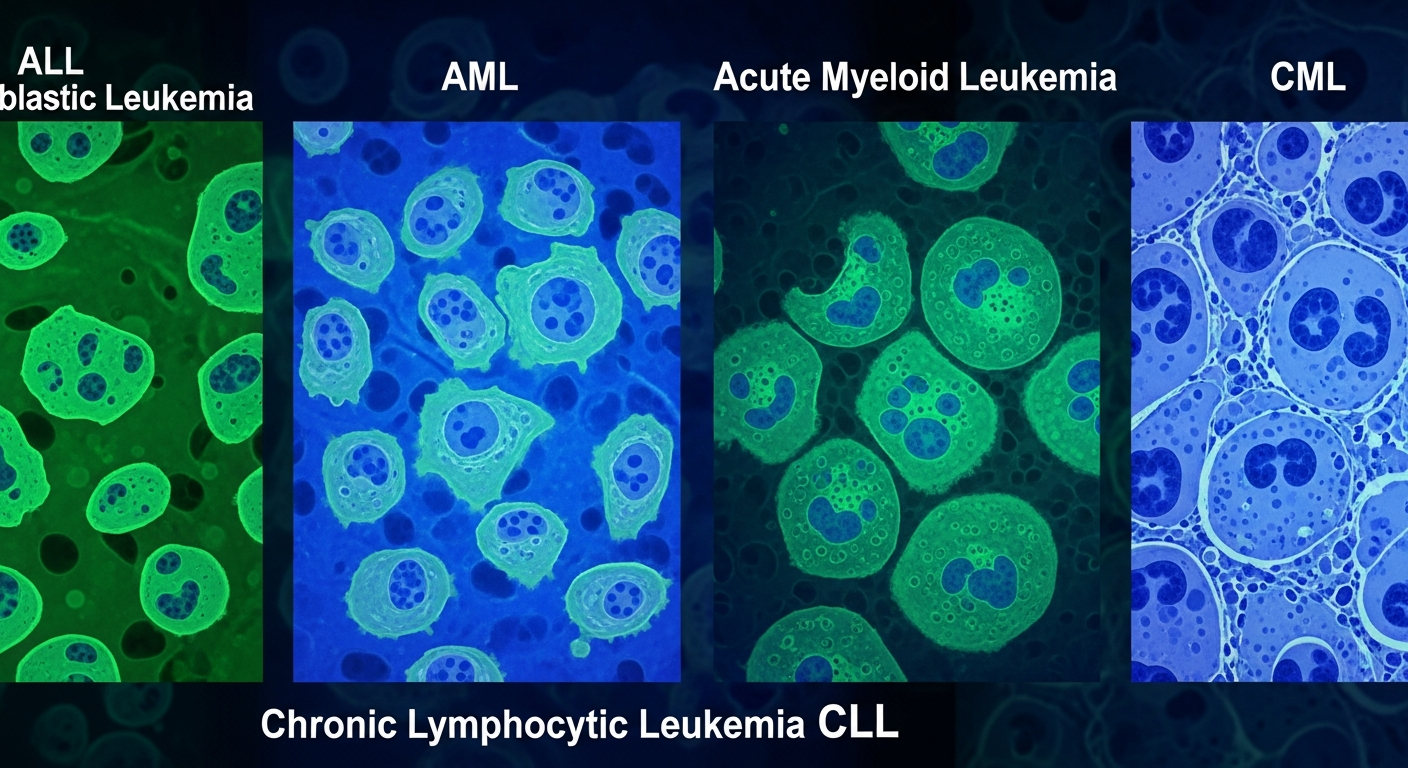
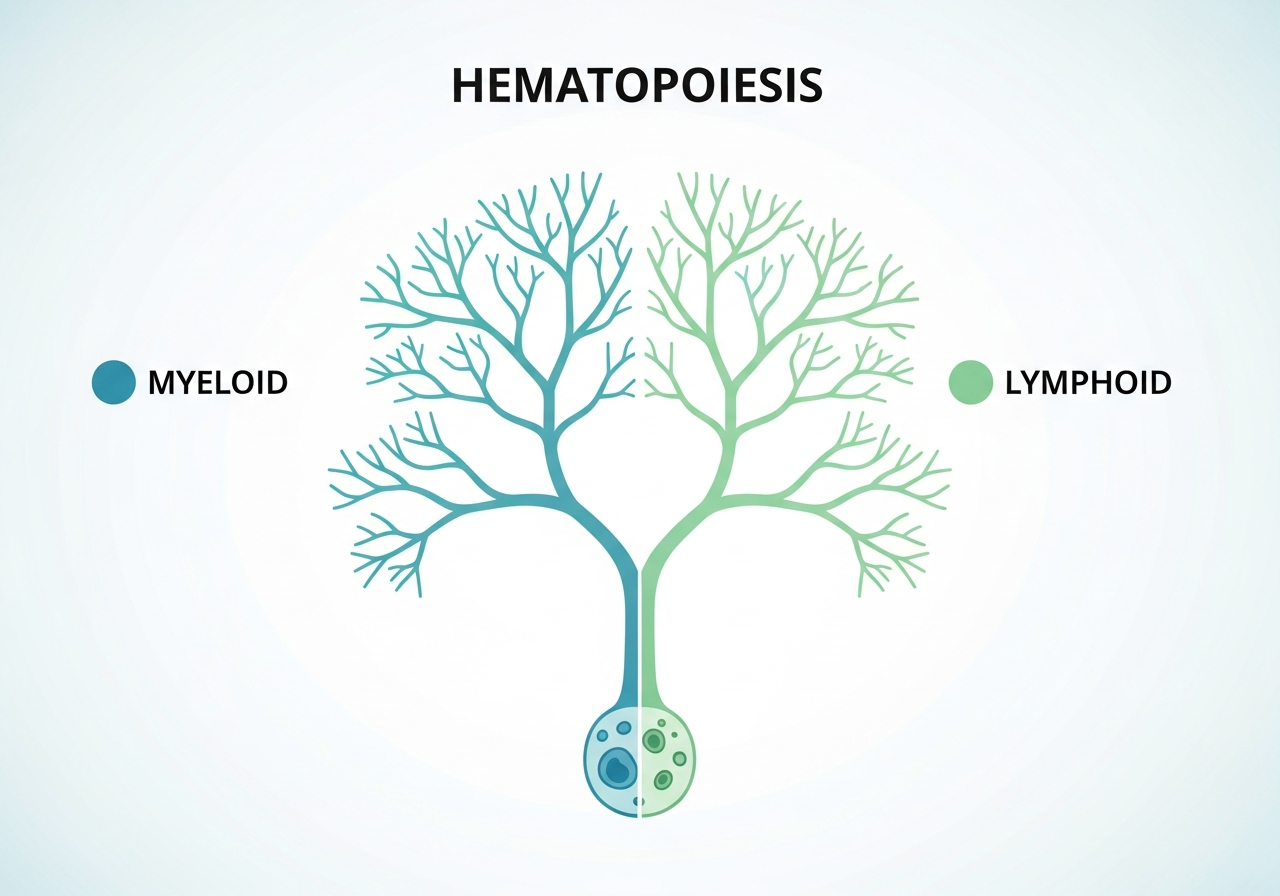
Leukemia is not a single disease — it is a family of more than a dozen distinct malignancies of blood-forming cells, each with its own biology, natural history, treatment approach, and prognosis. Classification is based on two key dimensions: which type of blood cell gave rise to the cancer (lymphoid or myeloid), and how quickly the disease progresses (acute or chronic). These two axes create the four major categories: ALL, AML, CLL, and CML.
Beyond these four main types, modern molecular diagnostics have identified numerous clinically important subtypes within each category. The genetics of leukemia — specific chromosomal abnormalities and gene mutations — further refine each patient's diagnosis into a precise molecular profile that determines treatment selection and expected outcomes. This level of precision is what makes modern leukemia care so effective compared to treatment approaches of even two decades ago.
The classification of leukemia also has direct implications for which symptoms appear and when, what diagnostic tests are required, and which of the available treatment options are most appropriate. Understanding your specific leukemia type is the foundation of informed participation in your own care.
The Four Main Leukemia Types — Side-by-Side Comparison
| Feature | ALL | AML | CLL | CML |
|---|---|---|---|---|
| Cell origin | Lymphoid (B or T cell) | Myeloid (granulocyte/monocyte precursors) | Lymphoid (B cell, mature) | Myeloid (granulocyte) |
| Course | Acute (rapid) | Acute (rapid) | Chronic (slow) | Chronic (slow) |
| Most common in | Children (75% of pediatric leukemia) | Adults 65+ (most common acute adult leukemia) | Adults 65+ (most common adult leukemia) | Adults 40–60 (median age 65) |
| Defining marker | Ph+ in 20–30% of adult ALL | FLT3, NPM1, t(15;17) in APL | CD5+/CD19+ B cells; del(17p) = high risk | BCR-ABL1 (Philadelphia chromosome) |
| Primary treatment | Intensive chemo ± TKI ± CAR-T | Intensive chemo ± targeted agents ± SCT | Watch-and-wait or BTK/BCL-2 inhibitors | Tyrosine kinase inhibitors (TKIs) |
| 5-year survival | >90% (children); 35–50% (adults) | ~30% overall; APL ~90% | ~87% (wide range by stage/genetics) | >90% in chronic phase with TKI |
Leukemia by Who It Affects: Age and Demographic Patterns
Leukemia risk and type distribution vary markedly across age groups. Understanding these demographic patterns helps contextualize a diagnosis and explains why different populations face different types of this disease. Our article on leukemia risk across life stages covers the full epidemiological picture.
| Age Group | Most Common Type | Notes |
|---|---|---|
| Children (0–14) | ALL (B-cell) | Peak age 2–5; >90% cure rate with modern therapy |
| Adolescents / Young Adults (15–39) | ALL (still most common); AML rising | T-cell ALL more common; outcomes intermediate |
| Middle age (40–64) | AML, CML, CLL beginning | CML peaks here; therapy-related AML emerging |
| Older adults (65+) | CLL (most common), AML (most aggressive) | Most U.S. leukemia cases; treatment tolerability is key consideration |
Rare and Emerging Leukemia Subtypes
Beyond the four main types, several important subtypes merit specific understanding. Chronic Myelomonocytic Leukemia (CMML) occupies a unique biological space between myelodysplastic syndromes and myeloproliferative neoplasms, with limited treatment options and significant AML transformation risk. Hairy cell leukemia, juvenile myelomonocytic leukemia (JMML), and large granular lymphocytic leukemia (LGL) are additional rare forms that require specialist evaluation. Our guide to leukemia subtypes and treatment differences explains how molecular classification within each major type further refines treatment decisions.
All Types of Leukemia — Complete Article Library
Our 10-article types library provides deep, medically accurate coverage of every major leukemia type and related topic:
Types of Leukemia and Key Differences
An overview of ALL, AML, CLL, CML, acute vs. chronic presentation, and lymphocytic vs. myeloid origins.
Read more →
Acute Lymphoblastic Leukemia (ALL) Explained
What ALL is, who it affects, symptoms, diagnosis, treatment, and prognosis — including pediatric and adult differences.
Read more →
Acute Myeloid Leukemia (AML) Explained
Risk factors, aggressive disease course, treatment with intensive chemotherapy and stem cell transplant, and survival data.
Read more →
Chronic Lymphocytic Leukemia (CLL) Explained
Understanding this slow-growing leukemia, the watch-and-wait approach, modern targeted treatments, and long-term prognosis.
Read more →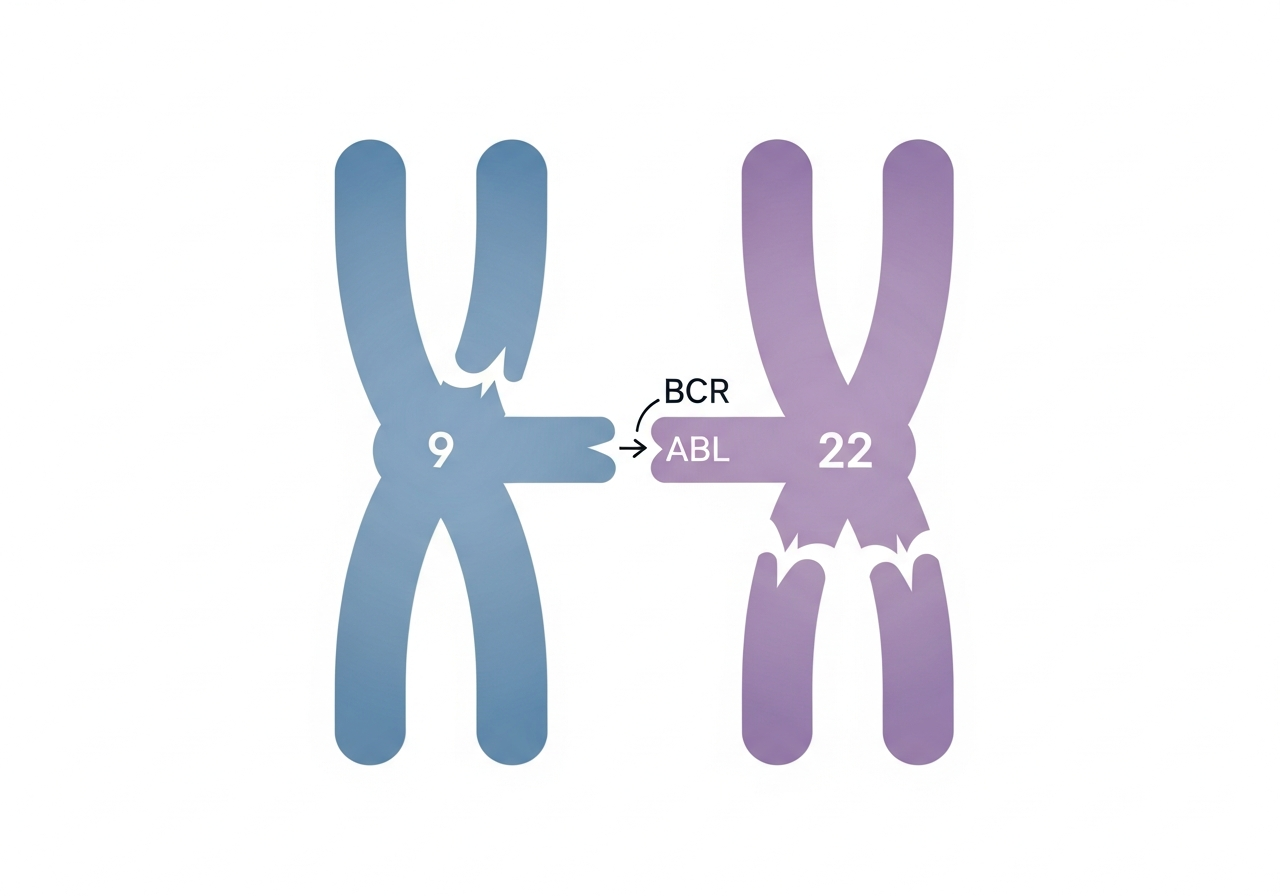
CML: Chronic Myeloid Leukemia — Treatment and Outlook
The Philadelphia chromosome, the TKI revolution, disease phases, and modern response rates that transformed CML prognosis.
Read more →
Chronic Myelomonocytic Leukemia (CMML) Explained
What CMML is, its overlap with MDS and MPN, treatment options, and prognosis for this rare blood cancer.
Read more →
Pediatric Leukemia Care Overview
The dominance of ALL in children, specialized treatment centers, managing side effects, and long-term survivorship.
Read more →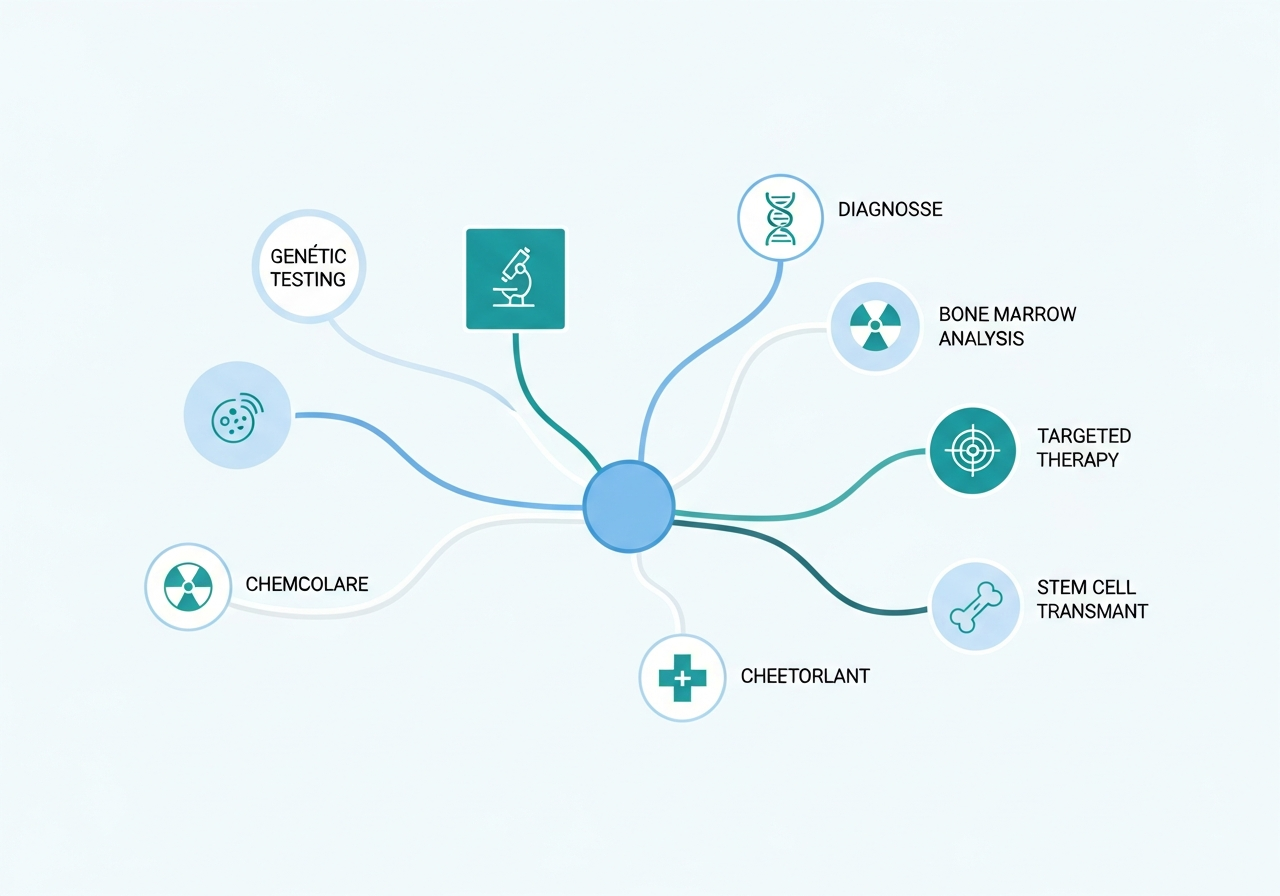
Leukemia Subtypes and Treatment Differences
How genetic and molecular subtypes dictate treatment choice, the rise of personalized medicine, and classification systems.
Read more →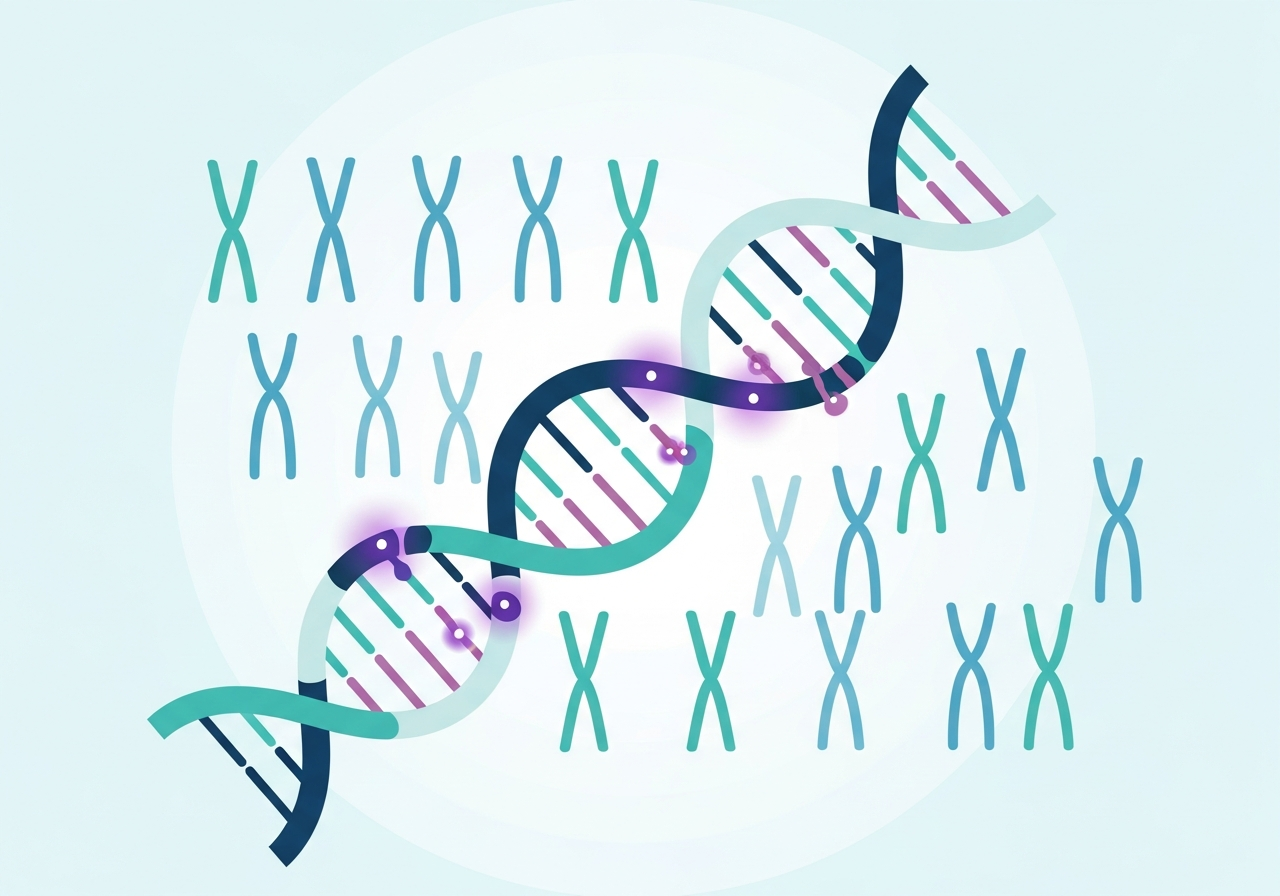
Genetics in Leukemia
Chromosomal abnormalities, inherited vs. acquired mutations, genetic testing, and what these mean for patients and families.
Read more →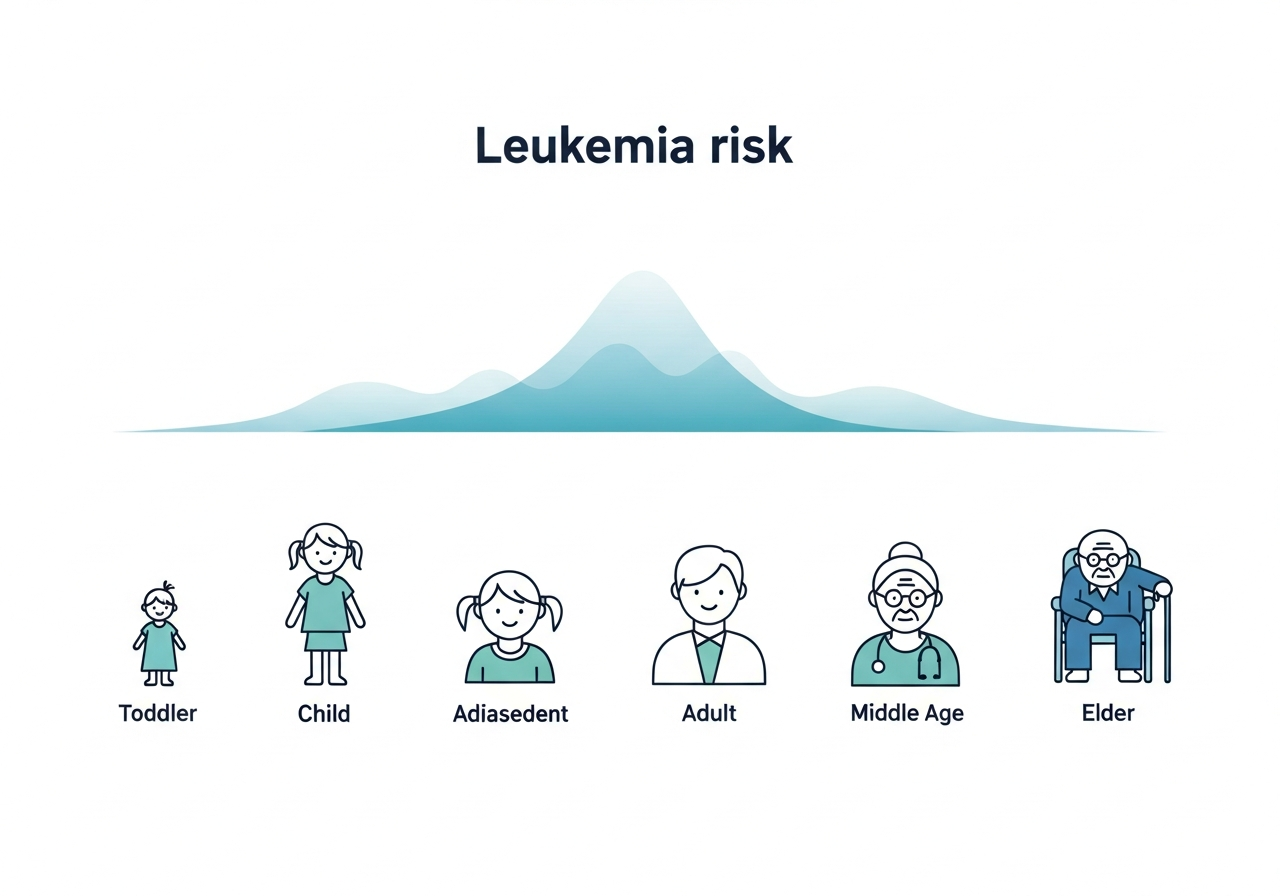
Leukemia Risk Across Life Stages
Childhood peaks, adult and elderly risks, environmental exposures, and how demographics shape leukemia incidence.
Read more →Featured Guides
Types of Leukemia and Key Differences
The authoritative introduction to ALL, AML, CLL, and CML — covering how each type develops, who it affects, and the critical differences that determine treatment strategy.
Read full guide →Genetics in Leukemia
A deep dive into chromosomal abnormalities, gene mutations, germline predisposition, and how molecular profiling drives precision treatment decisions in every leukemia type.
Read full guide →Genetics, Molecular Testing, and Personalized Medicine
Modern leukemia care is defined by molecular precision. Every patient's leukemia cells are profiled for specific chromosomal abnormalities and gene mutations using cytogenetics, FISH testing, and next-generation sequencing (NGS). These results — explained in our guide to understanding leukemia test results — identify targetable mutations (such as BCR-ABL1 in CML, FLT3 in AML, or BTK in CLL) and stratify patients into risk categories that determine treatment intensity. A diagnosis of "AML" is no longer sufficient for treatment planning — the specific molecular profile must be known before therapy begins. This is why specialized bone marrow biopsy with full molecular testing is essential for every newly diagnosed leukemia patient.
Types of Leukemia — Frequently Asked Questions
The four main types are Acute Lymphoblastic Leukemia (ALL), Acute Myeloid Leukemia (AML), Chronic Lymphocytic Leukemia (CLL), and Chronic Myeloid Leukemia (CML). ALL and AML are fast-growing cancers of immature blood cells; CLL and CML are slower-growing cancers of more mature cells. Each requires a fundamentally different treatment approach.
In children, ALL is by far the most common leukemia, accounting for approximately 75% of pediatric diagnoses. In adults, CLL is the most common leukemia in Western countries, followed by AML. CML accounts for approximately 15% of adult leukemia diagnoses. CMML and other rare subtypes account for the remainder.
Acute leukemia involves immature "blast" cells that divide rapidly, quickly fill the bone marrow, and cause symptoms over days to weeks. Without treatment, acute leukemia is fatal within months. Chronic leukemia involves more mature but dysfunctional cells that accumulate gradually over months to years, often without causing symptoms initially.
Most leukemia is not directly inherited — the vast majority of mutations that cause leukemia are acquired during a person's lifetime, not passed from parent to child. However, certain rare inherited syndromes (Li-Fraumeni, Fanconi anemia, Down syndrome, RUNX1 familial platelet disorder) significantly increase leukemia risk. Genetic counseling is recommended when two or more first-degree relatives have blood cancers.
Childhood ALL has the best overall prognosis, with cure rates exceeding 90% in standard-risk patients. APL (a subtype of AML) achieves ~90% cure rates with ATRA and arsenic therapy. CML is managed exceptionally well with tyrosine kinase inhibitors — most patients achieve normal life expectancy. Prognosis within every type varies substantially based on molecular genetics and patient fitness.
The Philadelphia chromosome is a genetic rearrangement between chromosomes 9 and 22 that creates the BCR-ABL1 fusion gene — the molecular driver of CML. It is also found in approximately 20–30% of adult ALL cases. The discovery of this chromosome led directly to the development of imatinib (Gleevec), the first targeted cancer therapy, which transformed CML from a terminal diagnosis to a manageable chronic condition.
Explore Related Topics
This content is for informational and educational purposes only. It is not a substitute for professional medical advice, diagnosis, or treatment. Always consult your physician or a qualified healthcare provider with any questions about a medical condition. Read our full disclaimer.