Complementary Therapies
Used alongside conventional treatments to enhance effectiveness and improve quality of life.
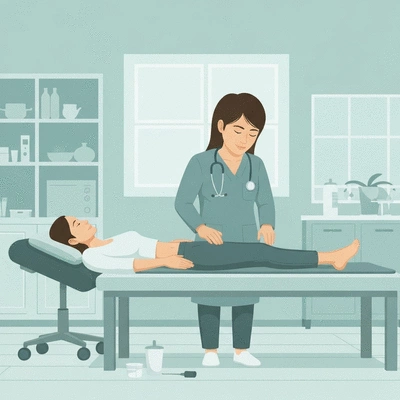
- ✓ Massage Therapy
- ✓ Yoga / Mindfulness
- ✓ Nutritional Therapy
What if the key to managing leukemia lies not just in conventional treatments, but in a holistic approach that incorporates complementary therapies? This article reveals how integrating various treatment modalities can empower patients and enhance their overall well-being.
Understanding the distinction between complementary and alternative therapies is crucial for informed decisions in leukemia management. The visual below highlights their roles and examples.
Used alongside conventional treatments to enhance effectiveness and improve quality of life.
Used in place of conventional treatment, often leading to foregone lifesaving care. (Not recommended by 'What Is Leukemia')
Managing leukemia can feel like navigating a complex maze. As a hematologist, I've seen firsthand how alternative and complementary therapies can provide relief and support for patients on this journey. Integrative approaches, which combine traditional medical treatments with these therapies, offer a more holistic perspective on care. Let’s dive deeper into what this means for you or your loved ones!
At What Is Leukemia, we believe that informed patients are empowered patients. Understanding the various options available can help you make educated decisions about your care. In this section, we will explore the essential components of integrative oncology, the differences between complementary and alternative therapies, and how they can play a role in leukemia management.
Integrative oncology is a modern approach to cancer care that combines conventional treatments—like chemotherapy and radiation—with complementary therapies. This model aims to treat the whole person, addressing not only the disease but also the emotional, physical, and spiritual aspects of health. It fosters an environment where patients feel supported and engaged in their healing process.
By integrating these diverse therapies, patients can experience improved quality of life and potentially better treatment outcomes. Remember, the goal is to create a supportive care plan that resonates with your individual needs!
Understanding the difference between complementary and alternative therapies is crucial for making informed decisions. Complementary therapies are used alongside conventional treatments to enhance their effectiveness, whereas alternative therapies are typically used in place of conventional treatment.
It's essential to consider how these therapies align with your treatment goals. At What Is Leukemia, we advocate for a complementary approach, as it allows patients to benefit from both worlds—ensuring they don’t forego potentially lifesaving treatments.
Herbal medicine has gained popularity as a supportive therapy in leukemia treatment. Certain herbs may help combat side effects of conventional therapies, boost immunity, and improve overall well-being. However, it’s vital to consult healthcare professionals familiar with herbal treatments to avoid potential interactions with prescribed medications.
Incorporating herbal medicine into your treatment plan can be a powerful addition, but it’s important to approach this option with caution and guidance. For more information on the efficacy and safety of herbal remedies in cancer care, consider reviewing resources from institutions like the National Cancer Institute, which offers detailed insights into complementary and alternative medicine.
Nutrition plays a fundamental role in the healing process for leukemia patients. A well-balanced diet can help strengthen your body, maintain energy levels, and support the immune system during treatment. Nutritional therapy focuses on tailoring meals to meet specific health needs.
By emphasizing good nutrition, you can support your body through its fight against leukemia. Remember, it’s not just about eating right but also about nurturing your body and spirit during this journey. The Memorial Sloan Kettering Cancer Center also provides valuable information on diet and nutrition for cancer patients, offering practical guidance and research-backed advice.
Did you know? Integrating mindfulness practices into your daily routine can significantly enhance your resilience during leukemia treatment. Techniques such as meditation, deep-breathing exercises, and gentle yoga not only help manage stress but also promote emotional well-being. Consider dedicating a few minutes each day to these practices, as they can support your overall health and healing journey.
Integrative oncology is a comprehensive approach to cancer care that combines conventional medical treatments (like chemotherapy and radiation) with complementary therapies. Its goal is to treat the whole person, addressing physical, emotional, and spiritual well-being.
Complementary therapies are used alongside conventional medical treatments to enhance their effectiveness and improve quality of life (e.g., massage, yoga, nutritional therapy). Alternative therapies are used *instead* of conventional medical treatments, which is generally not recommended as they may lead to foregoing life-saving care.
Herbal medicine can be a supportive therapy to combat side effects and boost immunity. However, it's crucial to consult healthcare professionals familiar with herbal treatments to avoid potential interactions with prescribed medications and ensure safety.
Nutritional therapy is fundamentally important for leukemia patients. A well-balanced diet, focusing on whole foods, hydration, and limiting processed foods, helps strengthen the body, maintain energy levels, and support the immune system during treatment and recovery.
Creating a personalized plan involves assessing your symptoms, incorporating integrative therapies that align with your needs, setting realistic wellness goals, and engaging in ongoing evaluation and adjustment with your healthcare team. Collaboration with your medical providers is key.
Managing leukemia can feel like a daunting journey, but taking proactive steps can make a significant difference. At What Is Leukemia, we believe that understanding your options and creating a personalized plan is essential to enhancing your well-being. Let’s explore how to craft a therapy plan tailored to your needs, build a support network, and employ wellness strategies.
First, it’s important to take a collaborative approach. Working closely with your healthcare team allows you to align your personal goals and preferences with professional advice. This partnership is key to developing a plan that resonates with your unique situation and complements your treatment.
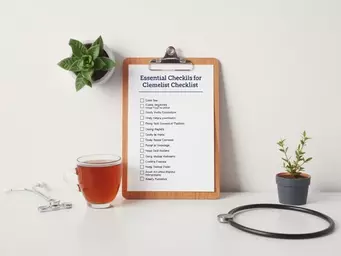
When creating a personalized therapy plan, consider the following key elements:
I encourage you to take an active role in this process! Engaging with your healthcare providers about what works best for you fosters a sense of empowerment and control over your health journey.
Building a strong support network is vital for emotional and practical assistance during your leukemia journey. Consider these steps to connect with caregivers and community resources:
Remember, you are not alone in this. It’s perfectly okay to lean on others for support. Having a solid network can make the journey feel less isolating and more manageable.
Incorporating wellness coaching into your management plan can significantly enhance your recovery. Here are some strategies to consider:
As a hematologist, I often see how these holistic approaches not only support recovery but also foster resilience and a sense of empowerment in patients. By actively participating in your wellness, you embrace a proactive stance in your health journey.
Here is a quick recap of the important points discussed in the article:
Dr. Elena Merritt is a dedicated hematologist passionate about empowering patients with knowledge about leukemia. With over a decade of experience, she specializes in leukemia's complexities, making medical information accessible and understandable. Dr. Merritt founded 'What Is Leukemia' to bridge the gap between complex medical jargon and patient understanding, fostering informed awareness and hope for those navigating this journey.