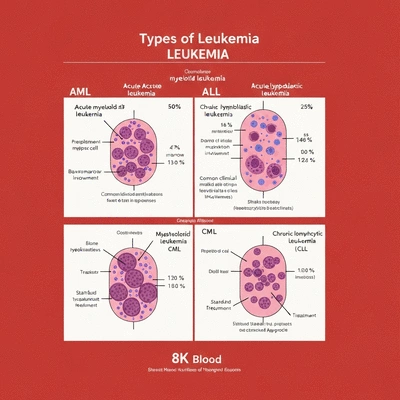
Acute Myeloid Leukemia (AML)
- Primarily affects adults
- Rapid progression
- Requires immediate treatment
Swift intervention critical
Take a moment to consider how much impact understanding your health can have on your treatment journey. Knowledge is not just power; it's empowerment. By grasping the complexities of leukemia, you can engage more effectively with your healthcare team and make informed choices. Here’s what you will learn about this critical topic.
Understanding the distinctions between leukemia types is crucial for tailoring effective treatment plans. This visual outlines the primary characteristics and treatment approaches for each type.
Swift intervention critical
Early detection vital
Measured approach possible
Personalized care emphasized
Understanding leukemia can feel like navigating through a dense fog, but breaking it down into manageable pieces helps. Let’s start by exploring the different types of leukemia and the treatment options available. Each type has unique characteristics that can influence how we approach management.
There are four main types of leukemia, each affecting the body in distinct ways:
By understanding these distinctions, we can better tailor treatment plans to meet individual needs. It’s essential to grasp how each type impacts the body differently, as this knowledge can empower you during discussions with your healthcare team.
Identifying leukemia symptoms can lead to early detection, which is crucial for effective management. Here are some common symptoms:
If you or a loved one experiences any of these symptoms, it’s important to consult a healthcare professional promptly. Early recognition allows for a quicker response, which can significantly impact treatment outcomes and overall quality of life.
When it comes to selecting treatment, understanding individual risk factors is vital. Factors such as age, overall health, and genetic markers can significantly influence the most effective treatment options. Personalized treatment plans that consider these variables can improve outcomes.
By incorporating risk stratification into treatment planning, we can ensure that each patient receives the most suitable and effective care. Remember, your unique circumstances shape your treatment journey, and understanding them is the first step toward empowerment.
When discussing treatment options with your healthcare team, consider bringing a list of questions and concerns. This not only helps clarify your understanding but also ensures that you actively participate in your care plan. The more informed you are, the better equipped you'll be to make decisions that align with your values and preferences.
The four main types of leukemia are Acute Myeloid Leukemia (AML), Acute Lymphoblastic Leukemia (ALL), Chronic Myeloid Leukemia (CML), and Chronic Lymphocytic Leukemia (CLL). Each type has distinct characteristics and treatment approaches.
Common symptoms of leukemia to watch for include unexplained fatigue, frequent infections, easy bruising or bleeding, unexplained weight loss, and persistent fever or night sweats. Early detection through recognizing these symptoms is crucial.
Risk stratification is vital because factors like age, overall health (comorbidities), and genetic markers significantly influence the most effective treatment options. It helps tailor personalized treatment plans for better outcomes.
Treatment modalities include traditional chemotherapy, targeted therapies, and immunotherapy. Understanding these options helps patients make informed decisions with their healthcare team.
After gathering information, it's recommended to consult with healthcare professionals, review findings with your doctor, explore clinical trials or newer therapies, and consider lifestyle changes that support your treatment journey.
Understanding your specific type of leukemia and the treatment options available is crucial for making informed decisions. Each type of leukemia, whether it’s Acute Myeloid Leukemia (AML), Acute Lymphoblastic Leukemia (ALL), Chronic Myeloid Leukemia (CML), or Chronic Lymphocytic Leukemia (CLL), requires a tailored approach to treatment. By familiarizing yourself with these differences, you empower yourself to engage actively in conversations about your care.
As a hematologist, I often emphasize the importance of understanding not just the disease, but the variety of treatments at your disposal. This knowledge equips you to navigate potential therapies that align with your needs and preferences. Let’s recap some key takeaways:
These insights will help you build a foundation for effective communication with your healthcare team, ensuring you're an informed participant in your journey toward recovery!
Now that you’ve gathered essential information about your leukemia and treatment options, it’s time to take action! I encourage you to utilize decision-making resources and consult with your healthcare professionals. Together, you can create a personalized treatment plan that fits your unique circumstances.
Here are some next steps to consider:
Taking these steps will ensure that you are actively engaged in your health. Remember, you don’t have to navigate this path alone—your healthcare team is there to guide you. So, let's discuss your findings and explore available treatment pathways together! Your journey toward understanding and hope starts now!
Here is a quick recap of the important points discussed in the article:
Dr. Elena Merritt is a dedicated hematologist passionate about empowering patients with knowledge about leukemia. With over a decade of experience, she specializes in leukemia's complexities, making medical information accessible and understandable. Dr. Merritt founded 'What Is Leukemia' to bridge the gap between complex medical jargon and patient understanding, fostering informed awareness and hope for those navigating this journey.