📋 Quick Summary
- Topic: Splenomegaly, hepatomegaly, abdominal pain and fullness, and when to seek urgent evaluation.
- Key Takeaway: Early recognition and medical consultation are critical for the best clinical outcomes.
- Remember: Always consult a qualified healthcare professional if you have concerns.
Understanding Abdominal Discomfort and Leukemia
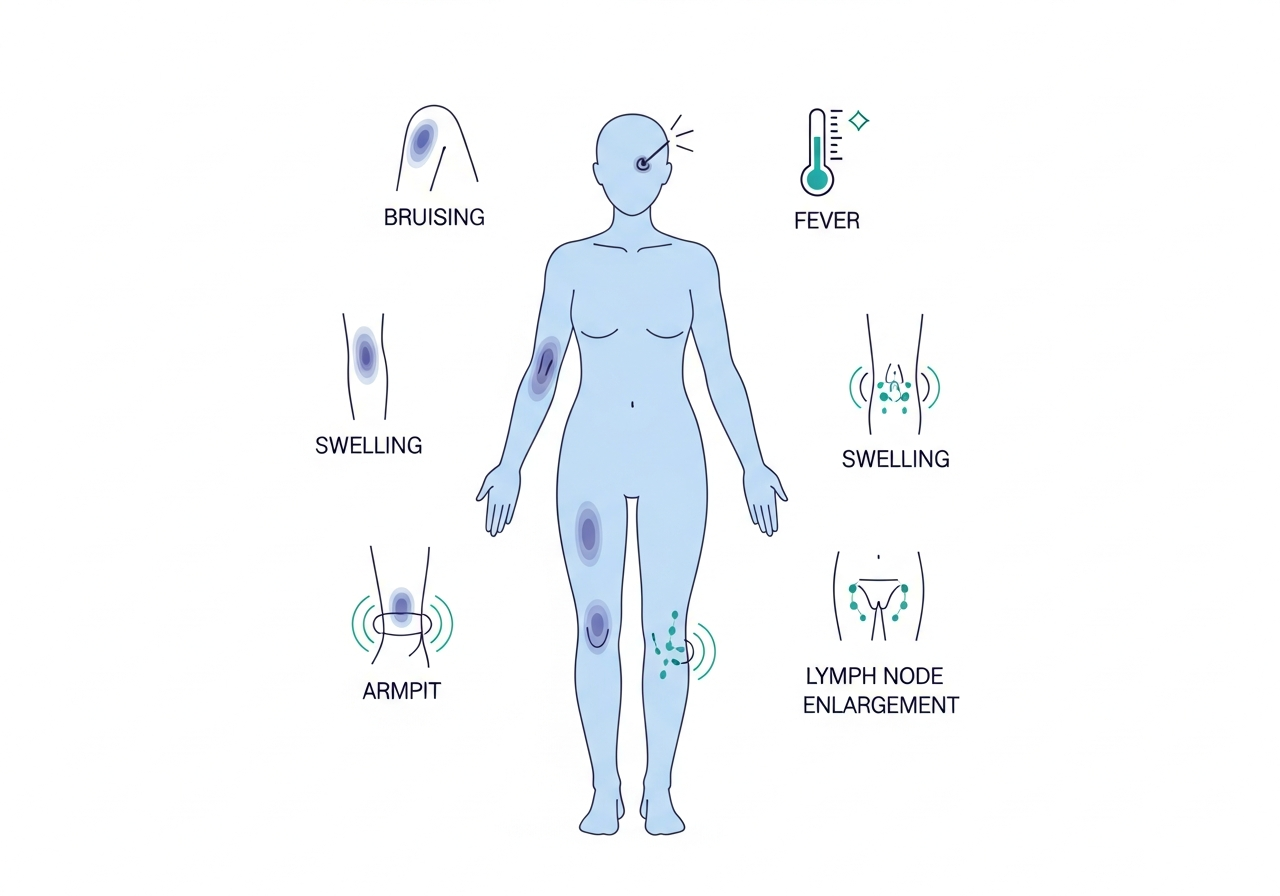
Leukemia disrupts the bone marrow's ability to produce healthy blood cells, and this disruption manifests as a recognizable cluster of physical symptoms. While unexplained weight loss in leukemia may be the first thing patients or families notice, it rarely appears in isolation. Most individuals presenting with abdominal discomfort and leukemia also report at least one other concurrent symptom — which is why understanding the full picture of types of leukemia matters so much. Different leukemia subtypes produce different symptom profiles, and recognizing those patterns aids earlier diagnosis.
The symptom discussed in this article stems from the same root disruption that causes nearly all leukemia-related complaints: the replacement of healthy marrow cells with nonfunctional leukemia cells. When red blood cell production falls, early signs of leukemia develop. When platelets are depleted, bruising and bleeding appear. When functional white blood cells are crowded out, chronic lymphocytic leukemia. This single underlying mechanism produces the multi-symptom picture that clinicians recognize as a leukemia presentation.
Recognizing these symptoms early is the most powerful step a patient or caregiver can take. A timely visit to a physician — triggered by chronic myeloid leukemia — leads to a complete blood count (CBC) that can detect leukemia at a stage when how leukemia is diagnosed remain broad and outcomes are most favorable.
Pathophysiology and Clinical Significance
At the cellular level, leukemia cells (blasts in acute variants) lack the functional maturity of normal blood cells. They cannot effectively fight infections, transport oxygen, or assist in hemostasis. This produces the three-cytopenia triad — anemia, thrombocytopenia, and neutropenia — that underlies most leukemia symptoms. The article on unexplained weight loss in leukemia explains how each subtype disrupts this balance differently.
- Erythropoiesis Suppression: Reduced red cell production leads to early signs of leukemia, exertional breathlessness, pallor, and in severe cases, cardiovascular strain.
- Thrombocytopenia: Platelet counts fall, impairing hemostasis. Patients experience easy bruising, nosebleeds, bleeding gums, and prolonged bleeding from minor cuts — symptoms covered in detail in our article on chronic lymphocytic leukemia.
- Neutropenia: Functional white blood cell counts drop, creating severe immune compromise — explaining why chronic myeloid leukemia.
These three cytopenias account for most of the early complications of leukemia, and their severity correlates with disease stage and subtype. For a comprehensive overview of types of leukemia, including the blood count patterns that reveal these cytopenias, see our full Diagnosis section.
Diagnostic Approach
When leukemia is suspected — typically triggered by how leukemia is diagnosed or an abnormal routine blood test — the workup follows a systematic process. It begins with a Complete Blood Count (CBC) with differential, progresses to a peripheral blood smear, and culminates in a bone marrow aspiration and biopsy for definitive characterization.
Molecular and cytogenetic analysis of marrow cells identifies the specific subtype and any targetable mutations — findings that directly determine which leukemia treatment options are most appropriate. For a detailed walkthrough of each diagnostic step, including what to expect and how to interpret results, see our guides on blood tests in leukemia diagnosis and understanding your leukemia test results.
Treatment Considerations
Treatment for leukemia is always individualized — determined by subtype, molecular risk category, patient age, and overall health. For acute leukemias, intensive induction leukemia treatment options is typically the first step, aiming to rapidly clear leukemia cells and achieve remission. This may be followed by targeted therapy if molecular targets are identified, or by stem cell transplantation in high-risk disease.
For chronic leukemias, the spectrum of treatment is broader: some patients undergo watchful waiting for years, while others begin oral targeted drugs immediately. Immunotherapy — including bispecific antibodies and CAR-T cell therapy — has emerged as a powerful option for relapsed or refractory cases. Patients are encouraged to ask about clinical trials, which often provide access to therapies not yet standard of care.
🚨 When to Seek Immediate Medical Attention
Contact a healthcare provider promptly or go to the nearest emergency room if you or a loved one experience:
- Severe shortness of breath at rest or with minimal activity
- Uncontrollable bleeding that does not stop with pressure
- Sudden confusion, severe dizziness, or loss of consciousness
- High fever (above 101°F / 38.3°C) that does not respond to medication
- Extreme, sudden-onset fatigue accompanied by chest pain
💬 Questions to Ask Your Healthcare Team
- How does this specific symptom or finding relate to my diagnosis?
- What diagnostic tests will you use to monitor my progress?
- How will my treatment plan address this particular aspect of my condition?
- Are there clinical trials relevant to my specific leukemia subtype?
- What should I watch for at home that would require urgent medical attention?
Related Leukemia Guides
This content is for informational and educational purposes only. It is not a substitute for professional medical advice, diagnosis, or treatment. Always consult your physician or a qualified healthcare provider with any questions about a medical condition. Never disregard professional medical advice or delay seeking it because of information you have read on this website. Read our full disclaimer.
Frequently Asked Questions
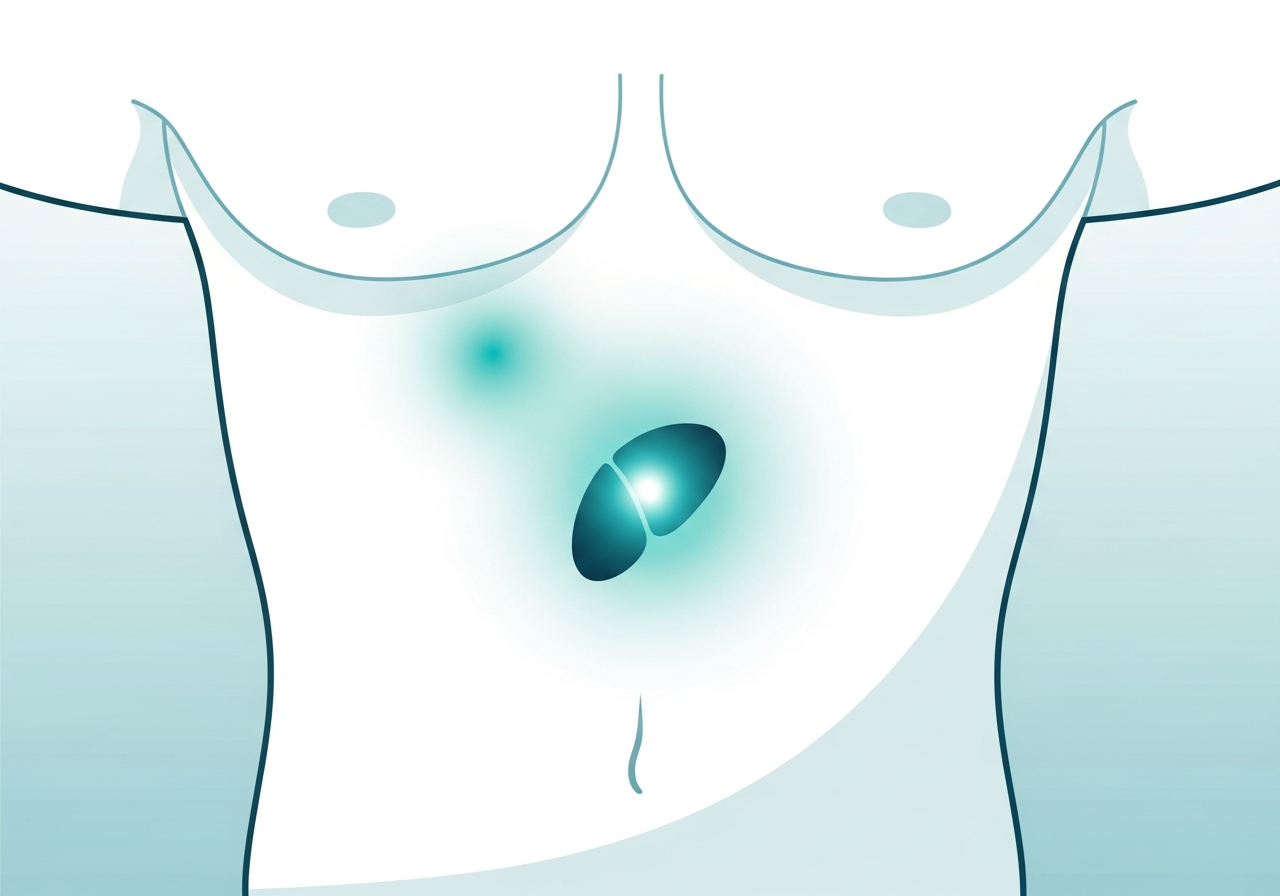
Leukemia cells accumulate in the liver and spleen, causing enlargement (hepatosplenomegaly) that presses on surrounding organs.
A dull ache or sense of fullness in the upper left abdomen, sometimes leading to early satiety after eating small amounts.
No — abdominal pain is a non-specific symptom most often caused by gastrointestinal, gallbladder, or appendix issues.