
📋 Quick Summary
- Topic: Discover what early leukemia symptoms look like, why they mimic common illnesses, and when it is critical to see a doctor.
- Key Takeaway: Early recognition and medical consultation are critical for the best clinical outcomes.
- Remember: Always consult a qualified healthcare professional if you have concerns.
What Are Early Leukemia Symptoms?
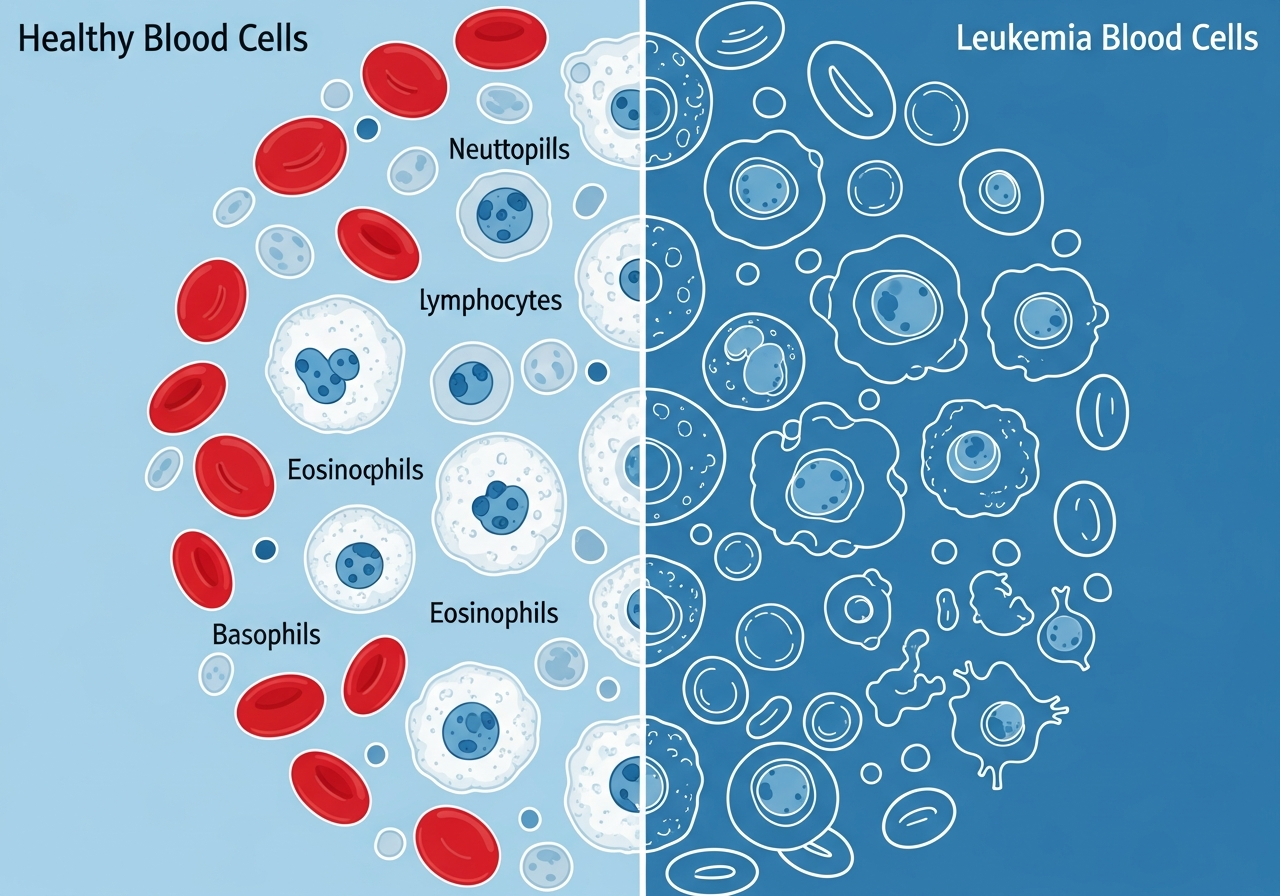
Leukemia is a cancer of blood-forming tissues — primarily the bone marrow — that disrupts the production of healthy blood cells. Unlike many cancers that begin as a discrete lump or tumor, leukemia is systemic from its earliest stages, meaning its symptoms arise from generalized changes in blood cell populations rather than from a localized mass. This characteristic makes early recognition both challenging and critically important.
The earliest symptoms of leukemia are nearly identical to those of common, benign conditions. Fatigue that patients attribute to overwork, repeated infections they assume are bad luck, bruising they chalk up to clumsiness, and low-grade fever they suspect is a lingering virus — all of these are among the first manifestations of a potentially serious blood disorder. Understanding what distinguishes leukemia-related symptoms from ordinary illness is the first step toward a timely diagnosis.
Of all the types of leukemia, acute forms — Acute Lymphoblastic Leukemia (ALL) and Acute Myeloid Leukemia (AML) — tend to produce symptoms that escalate over days to weeks. Chronic forms — Chronic Lymphocytic Leukemia (CLL) and Chronic Myeloid Leukemia (CML) — may produce only subtle symptoms for months or years, sometimes discovered only during a routine blood test. Recognizing the early signs of any of these forms can mean the difference between catching the disease at a manageable stage and facing an advanced, more difficult-to-treat presentation.
Why Early Leukemia Symptoms Are So Often Missed
The medical community has long recognized that leukemia is frequently underdiagnosed in its early stages. The symptoms are non-specific — meaning they occur in dozens of common, non-serious conditions. A patient with profound fatigue may receive a diagnosis of iron-deficiency anemia, burnout, or depression before anyone orders the blood tests that would reveal a leukemia. Similarly, night sweats are attributed to menopause or anxiety, and unexplained weight loss is sometimes dismissed as dietary change.
Three factors make early leukemia symptoms particularly easy to miss:
- Non-specificity: Each individual symptom — fatigue, fever, bruising — has dozens of innocent explanations. Only when several occur together, or when one persists despite appropriate treatment, does suspicion shift toward a systemic cause.
- Gradual onset: Especially in chronic leukemias, symptoms develop so slowly that patients adapt and normalize them, delaying help-seeking by months or years.
- Age-related assumptions: Older adults often attribute fatigue, bruising, and frequent infections to normal aging, when these symptoms may actually reflect an underlying blood disorder.
Clinicians and patients alike benefit from understanding that any cluster of otherwise unexplained blood-related symptoms warrants a complete blood count (CBC) — a simple, inexpensive, and highly informative test.
Common Early Symptoms of Leukemia
While each leukemia type presents somewhat differently, the following symptoms are among the most common early signals that should prompt evaluation:
Fatigue and Weakness
Persistent, disproportionate fatigue is the most common leukemia symptom. When leukemia cells crowd out healthy red blood cells in the bone marrow, anemia results. With fewer red blood cells to deliver oxygen to tissues, patients feel profound, unrelenting tiredness that does not improve with sleep or rest. This fatigue is qualitatively different from ordinary tiredness — it can prevent normal daily activities even after a full night's sleep.
Frequent or Recurring Infections
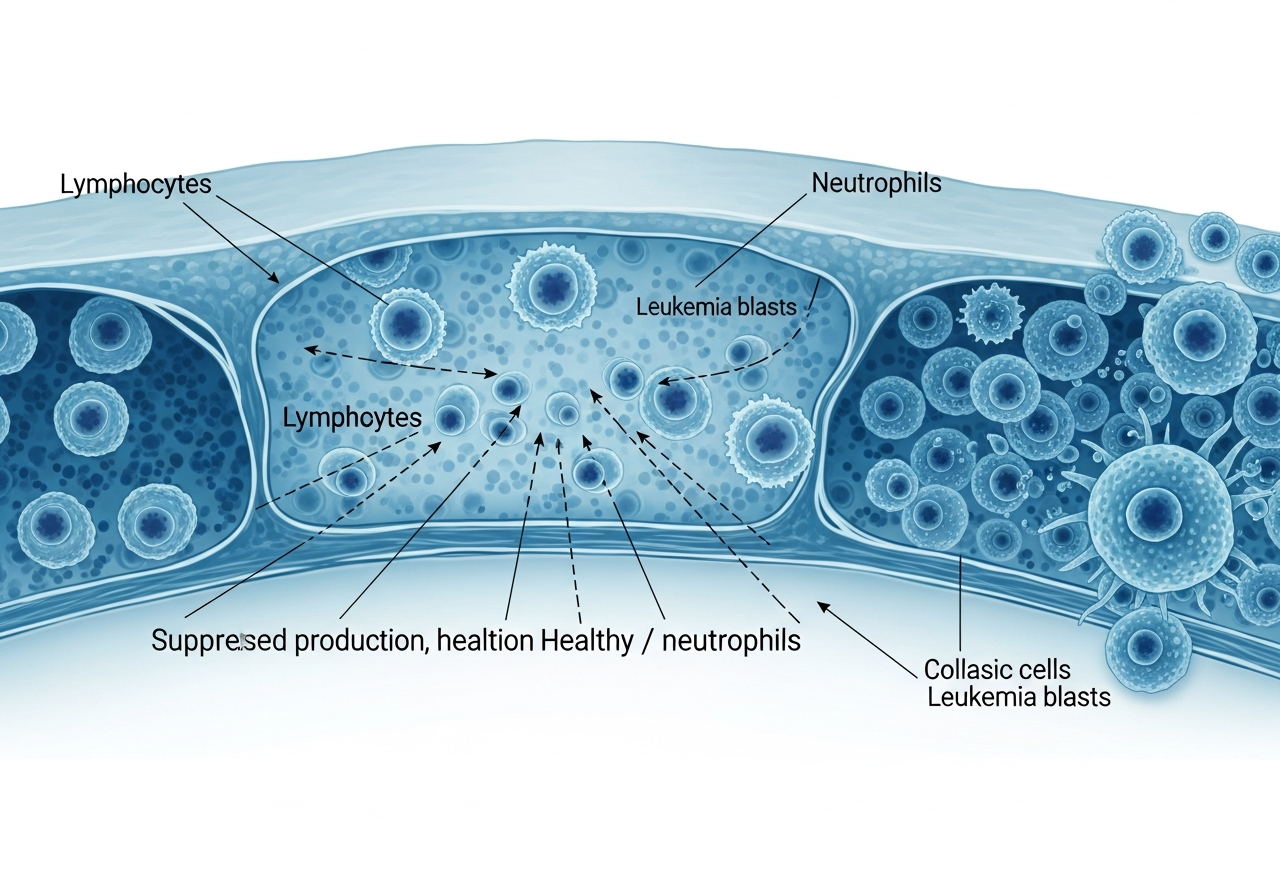
A healthy immune system depends on functional white blood cells. In leukemia, the proliferating leukemia cells are not only non-functional but also physically displace the healthy white blood cells responsible for fighting infection. The result is neutropenia — an abnormally low count of infection-fighting neutrophils. Patients may suffer repeated bacterial infections, slow-healing wounds, or infections that would normally clear quickly but instead linger for weeks. Immune compromise in leukemia is one of the most medically dangerous early features of the disease.
Easy Bruising and Abnormal Bleeding
Platelets are the blood cells responsible for clotting. When leukemia suppresses their production, even minor trauma causes disproportionate bruising. Patients notice bruises appearing from bumps that previously would have left no mark, and cuts that take far longer than usual to stop bleeding. Nosebleeds, bleeding gums, and blood in urine or stool may also occur. Blood clotting problems in leukemia range from mild to life-threatening, particularly in AML variants like Acute Promyelocytic Leukemia (APL), where disseminated intravascular coagulation (DIC) is a potential emergency.
Fever Without Obvious Cause
Low-grade or recurrent fever — not explained by a known infection — is a classic early leukemia sign. This fever has two sources: the immune system's inflammatory response to the leukemia cells themselves (releasing cytokines that raise body temperature), and actual infections arising from impaired immunity. Persistent fever of unknown origin in an otherwise healthy person warrants blood work.
Swollen Lymph Nodes, Spleen, or Liver
Leukemia cells can infiltrate lymph nodes, the spleen, and the liver, causing these organs to enlarge. Swollen lymph nodes are particularly common in CLL and ALL. Patients may feel firm, painless lumps in the neck, armpit, or groin. Spleen enlargement produces a feeling of fullness or discomfort in the upper left abdomen, and abdominal discomfort is a recognized early symptom of several leukemia types.
Bone and Joint Pain
Less commonly recognized but clinically important, bone pain occurs when leukemia cells accumulate in the bone marrow and exert pressure on surrounding bone. This is particularly characteristic of ALL in children, who may refuse to walk or complain of leg pain. In adults, deep, aching bone pain in the sternum, ribs, or long bones of the legs can be an early signal.
Unexplained Weight Loss and Night Sweats
The constellation of fever, unexplained weight loss, and drenching night sweats — sometimes called "B symptoms" — is particularly associated with lymphocytic leukemias and lymphomas. These symptoms reflect the body's metabolic response to a rapidly proliferating cancer that consumes energy even as it disrupts appetite.
Early Symptoms in Children vs. Adults
The early presentation of leukemia differs meaningfully between children and adults. In children, ALL accounts for approximately 75% of cases, and its early symptoms often include severe bone pain (causing limping or refusal to walk), swollen joints resembling arthritis, and extreme fatigue. Parents may notice pallor (pale skin) or petechiae — tiny red pinpoint dots on the skin from small bleeds under the surface — before any other symptom.
In adults, the most common early presentation depends on the leukemia type. AML and ALL in adults often produce a rapid-onset syndrome of profound fatigue, fever, and easy bruising over days to weeks. CLL and CML may produce nothing but subtle fatigue or be entirely silent, discovered only when a routine CBC reveals an abnormal white blood cell count.
| Symptom | Children (ALL) | Adults (ALL/AML) |
|---|---|---|
| Bone/joint pain | Very common; may cause limping | Less prominent |
| Fatigue | Extreme; behavioral changes | Profound; limits activity |
| Fever | Frequent; recurrent | Common |
| Petechiae / bruising | Visible on limbs and trunk | Easy bruising; nosebleeds |
| Lymph node swelling | Common; neck and groin | Common in ALL; less in AML |
| Night sweats | Moderate | Prominent (B symptoms) |
When to See a Doctor
No single symptom on this list is, by itself, diagnostic of leukemia. What matters most is the combination of symptoms, their persistence despite reasonable treatment of the most likely cause, and their progressive worsening over time. Any person experiencing two or more of the following without a clear explanation should consult a physician:
- Fatigue that does not improve with adequate rest over two weeks or more
- Recurrent infections or infections that are unusually severe or slow to resolve
- Bruising or bleeding that is disproportionate to any injury
- Unexplained fever lasting more than one week
- Painless, firm swelling in the neck, armpit, or groin
- Unexplained weight loss of 5% or more of body weight
- Drenching night sweats not explained by heat or menopause
What Happens at the Doctor's Office
When a patient presents with these symptoms, the physician's first step is typically a complete blood count (CBC) with differential. This blood test measures the number and types of blood cells. In leukemia, the CBC may show an elevated or very low white blood cell count, a low red blood cell count (anemia), and low platelets (thrombocytopenia). If the CBC is abnormal, a peripheral blood smear — where blood is viewed under a microscope — may reveal immature blast cells, which are the hallmark of acute leukemia.
If leukemia is suspected, the next step is a referral to a hematologist-oncologist for a bone marrow biopsy. This definitive test confirms the diagnosis, identifies the specific type and subtype, and reveals the molecular characteristics that guide treatment planning. The full results, including cytogenetics and molecular panels, are explained in detail in our guide to understanding leukemia test results.
How Early Recognition Affects Treatment
The timing of diagnosis significantly affects treatment options and outcomes. In acute leukemias, where the disease progresses rapidly, earlier diagnosis allows treatment to begin before serious complications — sepsis, internal bleeding, or organ infiltration — have occurred. In chronic leukemias, early diagnosis allows a longer period of monitoring and may allow patients to delay treatment while maintaining quality of life.
Once a diagnosis is confirmed, treatment is selected based on the specific subtype. Chemotherapy remains the cornerstone of treatment for most acute leukemias. Targeted therapies — drugs designed to attack specific molecular abnormalities in the leukemia cells — have transformed outcomes for subtypes like CML and certain forms of ALL. In high-risk or relapsed cases, stem cell transplantation may be recommended.
Prognosis and the Importance of Timing
Prognosis in leukemia varies enormously by type, subtype, molecular features, patient age, and overall health — but one consistent theme across nearly all leukemia types is that earlier diagnosis correlates with better outcomes. In childhood ALL, for example, the five-year survival rate exceeds 90% — a dramatic improvement achieved partly because of early and aggressive treatment initiation. In adult AML, where delays to diagnosis are more common, outcomes remain more variable.
Patients who act on early warning signs — seeking medical evaluation before the disease advances — preserve more treatment options, experience fewer early complications, and generally tolerate therapy better than those who present late. Awareness of these symptoms, both among the public and among primary care physicians, is a genuine life-saving tool.
Patient Lifestyle and Self-Monitoring
Patients who have been diagnosed with leukemia — or who have risk factors for it — benefit from keeping a symptom journal. Recording the frequency, severity, and duration of symptoms like fatigue, fever, and bruising provides valuable information for medical appointments. This is particularly useful for patients on watchful waiting for CLL or CML, where symptom escalation is the primary trigger for initiating treatment.
Nutrition, sleep, and infection avoidance all play supporting roles during any stage of leukemia, from pre-diagnosis suspicion through active treatment. Staying hydrated, maintaining good nutrition, and avoiding contact with infectious individuals are all practical strategies that support immune function and overall resilience.
Caregiver Guidance
Caregivers play an essential role in recognizing when symptoms are escalating. Because patients — especially children and elderly adults — may normalize or underreport their symptoms, caregivers who are familiar with the warning signs of leukemia are often the ones who prompt the critical first medical visit. Caregivers should watch for behavioral changes (especially in children with bone pain or fatigue), visible skin changes like petechiae or pallor, and any unexplained rapid physical deterioration. Trusted caregiver awareness is, in many cases, what bridges the gap between a symptom and a life-saving diagnosis.
When to Seek Urgent Medical Care
While the symptoms described above call for prompt medical evaluation, certain presentations require emergency care. Go to the nearest emergency room immediately if you or your child experiences:
- Fever above 101°F (38.3°C) that does not respond to acetaminophen or ibuprofen, especially with chills or rigors (this may indicate sepsis)
- Uncontrolled bleeding from any site — nose, mouth, rectum — that does not stop after 10–15 minutes of sustained pressure
- Sudden, severe shortness of breath at rest
- Sudden confusion, weakness on one side of the body, or loss of consciousness (may indicate CNS involvement or intracranial bleeding)
- Rapidly spreading bruising or purple skin patches
These signs may indicate a hematologic emergency such as severe sepsis, hemorrhage, or DIC — all of which require immediate inpatient management.
🚨 Emergency Signs — Act Immediately
- Fever above 101°F that does not respond to medication
- Uncontrolled bleeding not stopping with sustained pressure
- Severe shortness of breath at rest
- Sudden confusion or weakness on one side of the body
- Rapidly spreading purpura or petechiae
💬 Questions to Ask Your Doctor
- Which of my symptoms are most clinically concerning and why?
- Should I have a CBC, and what would abnormal results mean for next steps?
- If leukemia is suspected, will you refer me to a hematologist?
- How quickly does my type of leukemia typically progress?
- What symptoms should prompt me to call your office or seek emergency care?
- Are there any lifestyle modifications I should make while we are investigating this?
This content is for informational and educational purposes only. It is not a substitute for professional medical advice, diagnosis, or treatment. Always consult your physician or a qualified healthcare provider with any questions about a medical condition. Never disregard professional medical advice or delay seeking it because of information you have read on this website. Read our full disclaimer.
Frequently Asked Questions
Early signs include persistent fatigue, unexplained fever, frequent infections, and easy bruising or bleeding that resemble flu-like illness.
Yes — in acute leukemias (AML and ALL) symptoms can worsen rapidly over days or weeks. Chronic leukemias may take months before symptoms arise.
There is overlap (fatigue, bruising), but children may also present with severe bone or joint pain that causes limping or refusal to walk.