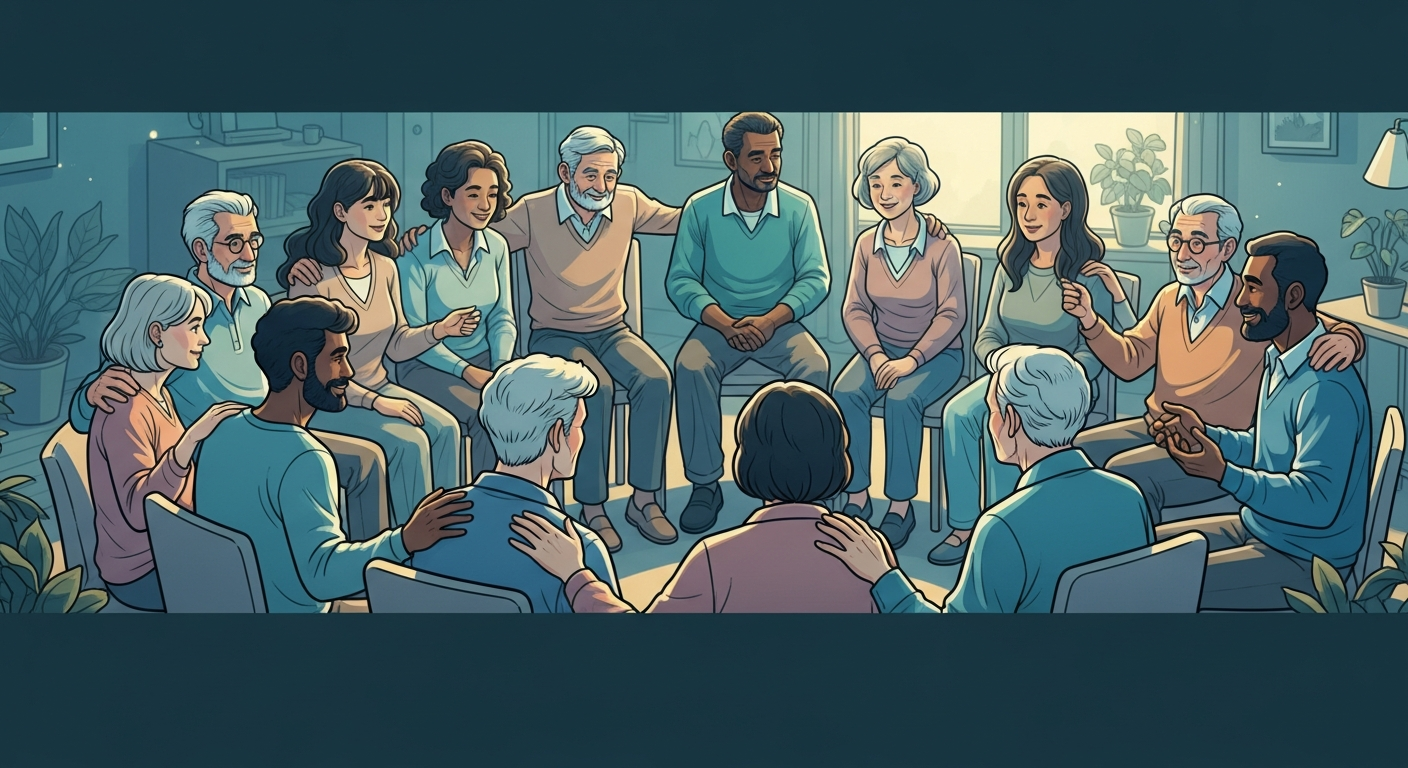
💙 Leukemia Support & Resources — Complete Guide
A comprehensive directory of organizations, financial assistance programs, clinical trial finders, mental health resources, and caregiver support for patients and families affected by leukemia.
Why Support Resources Matter in Leukemia Care
A leukemia diagnosis affects far more than the patient's physical health. It disrupts finances, employment, family dynamics, emotional wellbeing, and social connections — often simultaneously and without warning. Research consistently shows that patients who access psychosocial support, financial counseling, and peer connection during treatment have better quality of life, higher rates of treatment completion, and in some studies, improved clinical outcomes.
Yet many patients and families are unaware of the remarkable ecosystem of support that exists: dozens of non-profit organizations offer direct financial assistance, free peer counseling, clinical trial navigation, and caregiver support. Pharmaceutical companies run patient assistance programs that provide medications free of charge to eligible patients. Major cancer centers have financial counselors and patient navigators whose entire role is to connect patients with available resources. Understanding what is available — and how to access it — is a practical skill that can substantially reduce the burden of a leukemia diagnosis.
This guide organizes the landscape of leukemia support resources into clear categories so that patients, caregivers, and family members can identify and access what they need at each stage of the leukemia journey — from initial diagnosis through active treatment and into long-term survivorship.
Major Leukemia Support Organizations
| Organization | Focus | Key Programs |
|---|---|---|
| Leukemia & Lymphoma Society (LLS) | Blood cancer advocacy, support, research | Co-Pay Assistance, Information Specialists, First Connection, Clinical Trial Support Center |
| American Cancer Society (ACS) | Broad cancer support | Road to Recovery transportation, Hope Lodge lodging, 24/7 helpline, online community |
| CancerCare | Counseling and financial assistance | Free professional counseling (oncology social workers), financial grants, support groups |
| Leukemia Research Foundation (LRF) | Research funding and patient support | Financial assistance grants, education resources, peer support |
| National Bone Marrow Transplant Link | Transplant patient support | Peer support matching, pre-transplant education, post-transplant resources |
| CLL Society | CLL/SLL-specific support | Patient forums, CLL expert consultation, clinical trial matching, education events |
| MDS Foundation | MDS and CMML support | Expert center directory, patient handbook, financial assistance grants |
Financial Assistance Programs
Leukemia treatment can generate substantial out-of-pocket costs even with comprehensive insurance coverage. Multiple pathways exist to reduce this burden:
- LLS Co-Pay Assistance Program: Provides direct financial assistance for insurance co-payments on approved medications — one of the most widely used programs for blood cancer patients
- Pharmaceutical Patient Assistance Programs (PAPs): Drug manufacturers (Novartis, AbbVie, AstraZeneca, Pfizer) offer free medication to patients who meet income and insurance eligibility criteria. Contact the manufacturer of your specific medication or use NeedyMeds.org to search programs
- HealthWell Foundation: Provides grants for insurance premiums, co-payments, and deductibles for patients with specific blood cancer diagnoses
- Hospital financial counselors: All major cancer centers employ financial counselors who can identify local, state, and federal assistance programs for which you qualify
- Medicaid expansion: Under the ACA, patients who lose employment due to leukemia may qualify for Medicaid regardless of prior income level — eligibility varies by state
- Social Security Disability Insurance (SSDI): Many leukemia patients qualify for expedited SSDI processing through the Compassionate Allowances program
Finding Clinical Trials
Access to clinical trials is one of the most important support resources for leukemia patients, particularly those with rare subtypes, high-risk disease, or relapse. Clinical trial participation is not a last resort — it is a medically recommended option for most newly diagnosed leukemia patients. Resources for finding trials include:
- ClinicalTrials.gov: The comprehensive registry of all federally registered clinical trials — searchable by leukemia type, phase, location, and eligibility criteria
- LLS Clinical Trial Support Center: Free, personalized clinical trial navigation by LLS trained specialists who can identify, evaluate, and help patients access relevant trials
- EmergingMed: A clinical trial matching service that allows patients to describe their diagnosis and receive matched trial options
- NCI-Designated Cancer Centers: The 71 NCI-designated centers run the largest volume of leukemia clinical trials. Seeking consultation at an NCI-designated center even if treatment continues locally expands trial access significantly
- Children's Oncology Group (COG): Runs the majority of pediatric leukemia trials at hospitals nationwide — pediatric patients should always be enrolled in a COG trial if available
Caregiver Support Resources
Leukemia caregivers — spouses, parents, adult children, and close friends who provide daily support — face their own significant physical and emotional burdens. Research shows that caregiver distress, burnout, and compassion fatigue are common and can impair both caregiver health and patient outcomes when untreated. Key caregiver resources include:
- CancerCare Caregiver Counseling: Free professional counseling with licensed oncology social workers — available by phone, online, and in-person in New York, New Jersey, and Connecticut
- Family Caregiver Alliance: National organization providing caregiver education, assessment tools, and state-by-state resource finder
- LLS Support Groups: Many LLS chapters offer caregiver-specific support groups, separate from patient groups, to address the unique needs of the caregiver role
- FMLA and employer leave: The Family and Medical Leave Act provides up to 12 weeks of unpaid, job-protected leave per year for eligible employees caring for a family member with a serious health condition
- Respite care: Short-term relief care for patients allows caregivers to rest and attend to their own health needs — available through some hospice organizations and adult day programs
Mental Health and Emotional Wellbeing
Anxiety, depression, and post-traumatic stress are common among both leukemia patients and their family members. These are recognized medical conditions that respond to evidence-based treatment and should never be dismissed as "normal" responses to be endured without support. Resources specifically addressing mental health in leukemia include:
- Psycho-oncology at your cancer center: Most NCI-designated cancer centers have embedded psychologists, psychiatrists, and social workers who specialize in the emotional aspects of cancer care
- Cancer Support Community: Over 175 local affiliates and an extensive online community providing professionally facilitated support groups, mind-body programs, and individual counseling for patients and family members at no cost
- Headspace and Calm for cancer: Evidence-based mindfulness and meditation programs with dedicated cancer pathways available through some oncology social work departments
- SAMHSA National Helpline: 1-800-662-4357 — free, confidential treatment referrals for mental health and substance use disorders that may arise during the cancer treatment period
Online Patient Communities and Peer Connection
Connecting with others who have lived through a similar leukemia diagnosis reduces isolation, provides practical advice, and offers hope through shared experience. Online communities have made this connection possible regardless of geographic location or physical limitations during treatment:
- LLS Community (community.lls.org): The largest blood cancer peer community, with diagnosis-specific forums for ALL, AML, CLL, CML, and rarer types
- CLL Society Online Community: Highly moderated, expert-informed community for CLL and SLL patients
- Smart Patients (smartpatients.com): Evidence-based patient community where members can share experiences and ask detailed medical questions reviewed by community experts
- LLS First Connection Program: One-on-one peer matching between newly diagnosed patients and trained volunteer survivors with the same diagnosis
Survivorship Planning and Long-Term Follow-Up
Patients completing acute leukemia treatment and those managing chronic leukemia long-term benefit from structured survivorship planning. Our guides on living with leukemia cover daily life management, late treatment effects, nutrition, exercise, return-to-work planning, and the emotional aspects of life after a leukemia diagnosis. A survivorship care plan — typically developed with your oncologist at treatment completion — documents your leukemia history, treatments received, recommended screening, and long-term follow-up schedule. This document is invaluable when transitioning care to a primary care physician or moving to a new provider.
Support & Resources — Frequently Asked Questions
The major organizations are the Leukemia & Lymphoma Society (LLS), the American Cancer Society (ACS), CancerCare, the Leukemia Research Foundation, and disease-specific groups such as the CLL Society and MDS Foundation. Each offers distinct programs — financial assistance, peer support, counseling, clinical trial navigation, transportation, and lodging assistance — that together address the comprehensive needs of leukemia patients and their families.
Yes — multiple programs can substantially reduce out-of-pocket costs. The LLS Co-Pay Assistance Program helps cover insurance co-payments. Pharmaceutical patient assistance programs provide medications free to eligible patients. The HealthWell Foundation provides grants for premiums, deductibles, and co-pays. Hospital financial counselors can identify all programs for which you qualify. Do not assume costs are fixed — ask your cancer center's financial counseling team on or before your first treatment visit.
ClinicalTrials.gov is the primary registry. The LLS Clinical Trial Support Center provides free, personalized trial matching by trained navigators. EmergingMed offers automated trial matching. Your oncologist can search through cooperative group networks (ECOG-ACRIN, COG). If your center does not have relevant trials, requesting a consultation at an NCI-designated cancer center can expand your options significantly.
Caregivers can access professional counseling through CancerCare's oncology social workers, peer support through LLS caregiver support groups, education through the Family Caregiver Alliance, and job protection through FMLA leave. Many major cancer centers also employ social workers dedicated to caregiver assessment and support. Caregiver mental health should be actively monitored — burnout and depression in caregivers significantly impact both caregiver health and patient outcomes.
Yes — the LLS Community (community.lls.org), the CLL Society forum, the Cancer Support Community network, and Smart Patients all host online peer communities for leukemia patients. Many groups hold video conferences, making peer connection accessible regardless of location or physical limitations during treatment. The LLS First Connection program offers one-on-one matching with a trained volunteer survivor who had the same leukemia diagnosis.
Explore Related Topics
This content is for informational and educational purposes only. It is not a substitute for professional medical advice, diagnosis, or treatment. Always consult your physician or a qualified healthcare provider with any questions about a medical condition. Read our full disclaimer.